 Elon Musk
Efficiency in Meetings
Meetings should be quick, to the point, and driven by logical reasons for every decision.
Topic
Running the operation
Picked for this topic from the basic records of many masters.
Principles are our summary of their public statements.
Elon MuskMeetings should be quick, to the point, and driven by logical reasons for every decision.
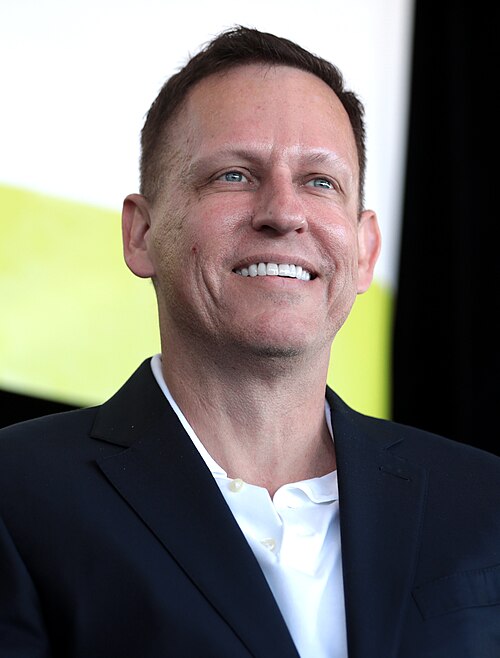 Peter Thiel
He uses a family office structure to provide operational support and launch diverse specialized ventures, fellowships, and labs.
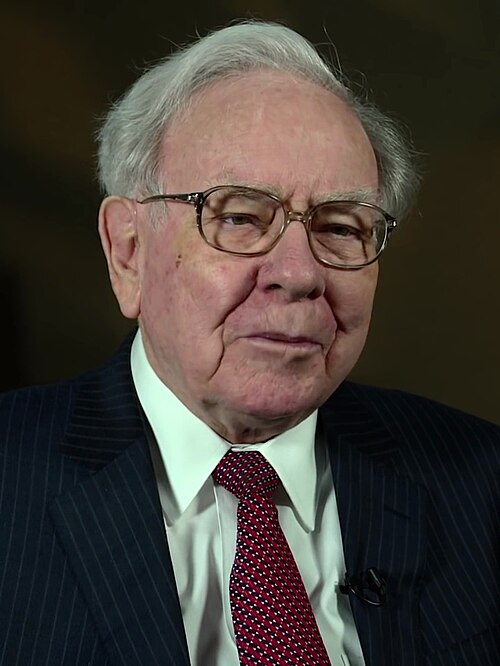 Warren Buffett
Compensation should be tied to specific business unit performance that employees can actually influence, rather than broad metrics like stock price.
 Naval Ravikant
Platforms lose trust when they punish some developers while rewarding others based on shifting business models.
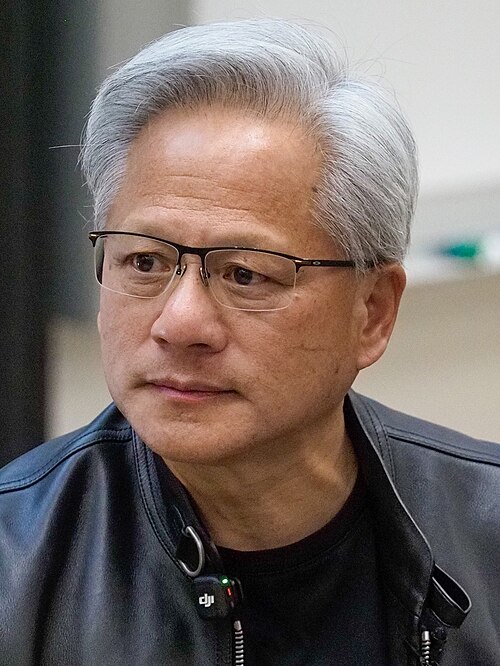 Jensen Huang
Information should be disseminated quickly to all levels so that everyone, from new grads to VPs, can reason through problems with the same context.
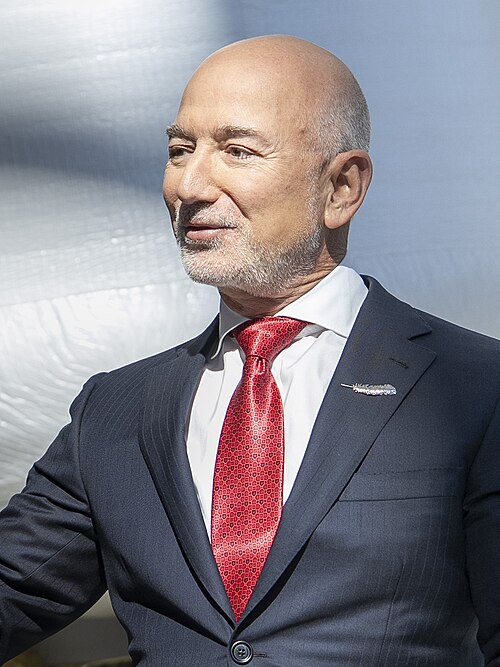 Jeff Bezos
To maintain high standards, leaders must communicate exactly how much time and effort a task truly requires to prevent early quitting.
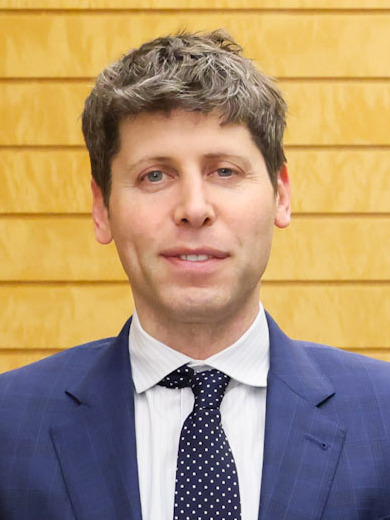 Sam Altman
People are most productive when doing what they like, so delegate tasks to those who actually enjoy and are good at them.
 Paul Graham
Measuring the wrong thing leads to optimizing for the wrong outcome; avoid tracking data that encourages excessive conservatism.
 Bill Gates
Raising outside capital can serve as a forcing function to professionalize a partnership into a corporation with formal boards and stock structures.
 Mark Zuckerberg
Instead of trying to predict every outcome from the start, build technology one year at a time and observe how developers and users actually interact with it.
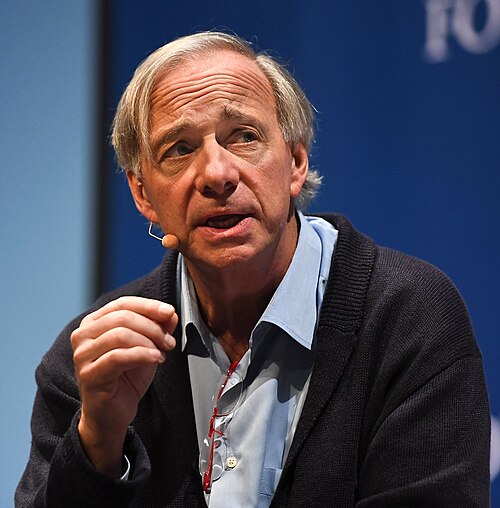 Ray Dalio
Foster an environment where everyone can speak frankly to find the best path forward based on reality.
 Reid Hoffman
When interacting with a CEO's staff, avoid questions that directly critique the leader's performance. Instead, ask broad questions about the organization to gather insights without damaging the CEO's authority.
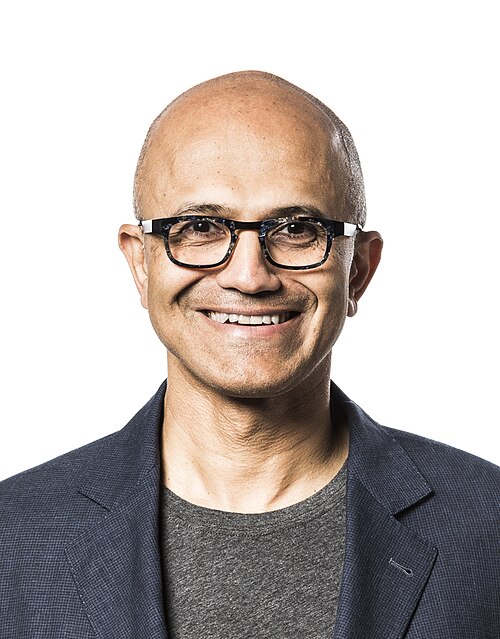 Satya Nadella
Share data openly about where the company is succeeding and where gaps remain to drive accountability and progress.
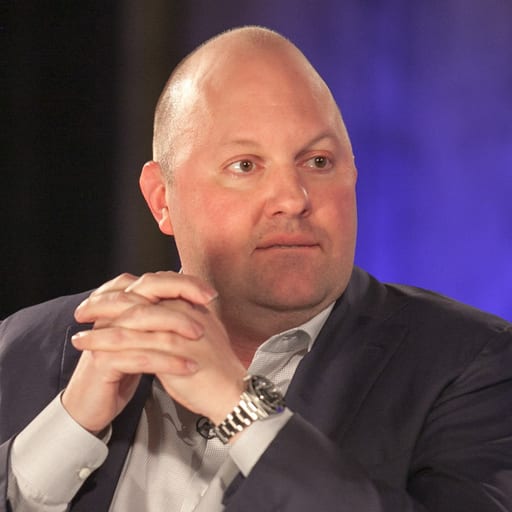 Marc Andreessen
Large institutions are often too rigid to be fixed from the inside, and reform movements frequently lead to more bureaucracy rather than actual improvement.
Scaling a business only causes pain if the founder insists on doing everything themselves; systems and delegation remove the friction.
 Balaji Srinivasan
New social structures should be designed for full or partial acquisition, allowing for seamless transitions between different communities.
 Noah Kagan
If a meeting is not moving toward a solution or is getting sidetracked by debates, the leader should pause it to refocus.
 Tobi Lütke
An organization or economy stalls when there are too many people critiquing or regulating compared to those actually creating products.
 Rory Sutherland
Financial departments often get credit for visible cost reductions while ignoring the invisible costs of missed opportunities.
 Kevin Kelly
Turn employees into stakeholders by giving them a share of the profits. This ensures that individual effort is directly linked to personal payoff, reducing the need for constant supervision.
 Dario Amodei
Approach interactions with highly capable AI as one would with an incredibly smart colleague, focusing on collaborative research and problem-solving.
 Patrick Collison
Look for shared patterns across diverse high-performing groups like the Manhattan Project and Skunk Works to inform modern management.
 Derek Sivers
Running a company based on frantic reactions or just copying others is unsustainable in the long run.
 Howard Schultz
Valuable operational improvements and customer service innovations often come from the employees who interact with customers daily.
Episodes are real events from public sources, summarised by us.
Elon MuskDuring the early days of PayPal, the team struggled to keep fraud rates low. They had to apply intense focus and high competence just to bring fraud down to 1% of total payment volume.
LessonEven with high effort and talent, eliminating all waste or fraud is nearly impossible; aim for a manageable minimum.
 Steve Jobs
Jobs donated Apple's entire museum of papers and old machines to Stanford University shortly after his return. He wanted to stop the company from looking backward at its history and focus on the future.
LessonTo change a culture, you must sometimes physically remove the artifacts of the past.
Warren BuffettA contract providing 7% of Fireman's Fund business to Berkshire expired, leading to a negative $85 million entry in premiums written. Buffett accepted this large decrease in volume because the termination did not significantly impact overall profits.
LessonDo not fear reporting negative growth numbers if the underlying business profitability remains intact.
Naval RavikantNaval's company, Impossible, operates with a very flat structure and avoids traditional tools like Slack or project management software. Instead, they rely on a hub-and-spoke model where the CEO acts as the central product manager and employees communicate directly via text or GitHub.
LessonSmall, high-talent teams can function more efficiently through direct communication than through complex organizational tools.
Jensen HuangWhenever Jensen learns something new, he immediately points it out to a team member to explore further. He believes that empowering others with information as fast as possible elevates the entire company's capability.
LessonSpeed of information flow within a team is a competitive advantage for small businesses.
Jeff BezosOver 400 employees signed a letter to Bezos demanding better pay and benefits despite the paper's growth. They claimed their salary increases were not keeping pace with inflation.
LessonSuccess in business metrics must be balanced with fair compensation to maintain employee trust.
Sam AltmanSam Altman uses a mental model where he imagines an AI taking over his role as CEO. He uses this to identify what tasks are uniquely human and what organizational pieces are currently roadblocks to efficiency.
LessonFounders can improve their organizations by identifying which of their own functions could eventually be automated.
Bill GatesIn the late 90s, Gates testified before the Senate to reject the need for government regulation of the software industry. He was reportedly upset when regulators suggested curbs on Microsoft's growing market power.
LessonFounders often resist external interference to maintain the speed and autonomy of their company's growth.
Mark Zuckerberg저커버그는 과거의 진보적 행보에서 벗어나 2024년에는 직원들의 사내 활동주의를 자제시키고 정치적 중립을 표방하기 시작했어요. 그는 정부의 콘텐츠 삭제 압력에 더 강력히 저항하지 못한 것을 후회한다고 밝히며 선거 인프라 기부도 중단했어요.
LessonAdapting leadership style to discourage internal activism can help maintain focus on core business objectives.
Marc AndreessenWhile working at IBM, Andreessen observed a formal decision-making process where up to 50 executives had to sign off on a single issue. Any one of these individuals could veto the decision, making progress extremely difficult.
LessonInternal bureaucracy in big companies can kill decisions for reasons that have nothing to do with the startup's value.
After feeling overwhelmed by the operational details of managing forty companies, Wilkinson stepped down as CEO of Tiny. He promoted Jordan Taub, an experienced operator, to handle the day-to-day management while he focused on vision and acquisitions.
LessonStepping back from roles you hate can revitalize your passion and increase the company's dealflow and opportunities.
Balaji SrinivasanTraditional calendars make seeing who is meeting with whom difficult, requiring multiple clicks. Sococo solved this by using a 2D floor plan where avatars sit in rooms, making company activity visible at a glance.
LessonSpatial layouts can communicate rich, multi-layered information much faster than lists or grids.