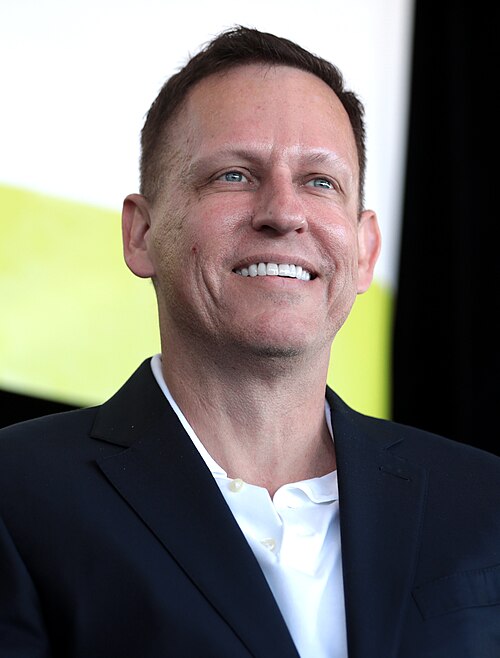
 Peter Thiel
Bet on the World's Survival
Investing in a total collapse is irrational because money has no value if the system fails. One should invest as if the world will continue to function.
Topic
Where the company's money and time go
Picked for this topic from the basic records of many masters.
Principles are our summary of their public statements.
Peter ThielInvesting in a total collapse is irrational because money has no value if the system fails. One should invest as if the world will continue to function.
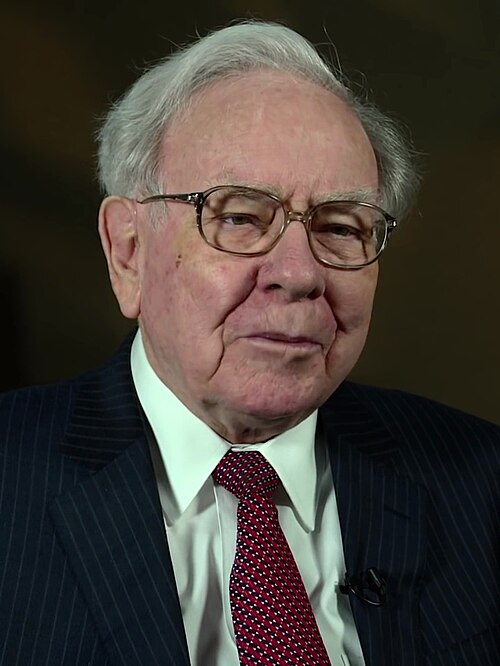 Warren Buffett
Look for companies where management is conservative with their own compensation, reluctant to issue new shares, and uses retained earnings to buy back shares at attractive prices.
 Naval Ravikant
When making decisions with very little data, such as seed investing, one should build a broad portfolio to hedge against the lack of specific knowledge.
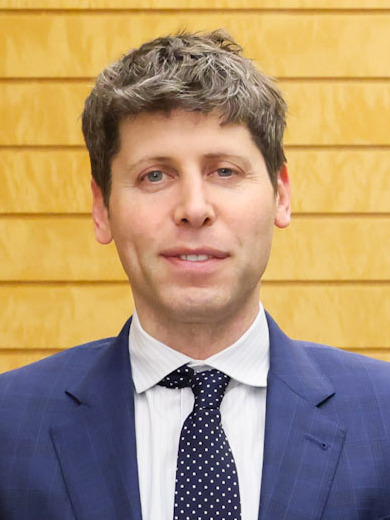 Sam Altman
Regulation can be effectively enforced through venture capital and large tech companies, as most legitimate entities prefer to comply with major laws.
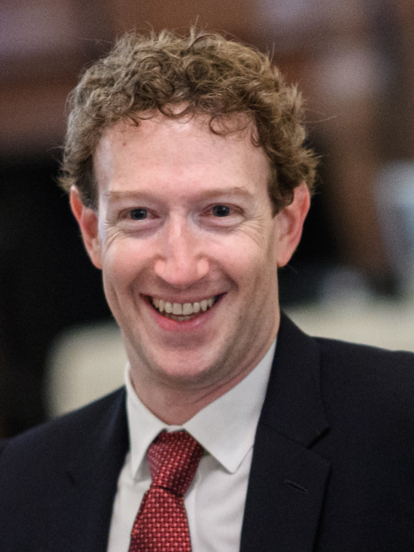 Mark Zuckerberg
Identify where major funders are spread too thin and invest heavily in large-scale assets that benefit the entire community.
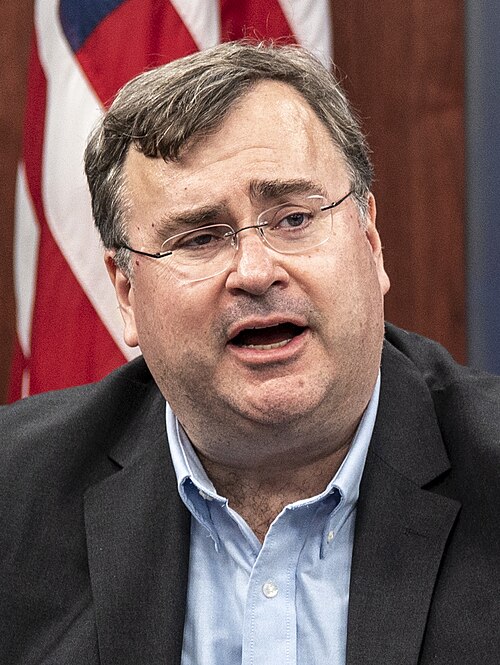 Reid Hoffman
Investing in software and applications is often safer for startups because they require less capital and have a lower risk of high-cost failure compared to hardware or infrastructure.
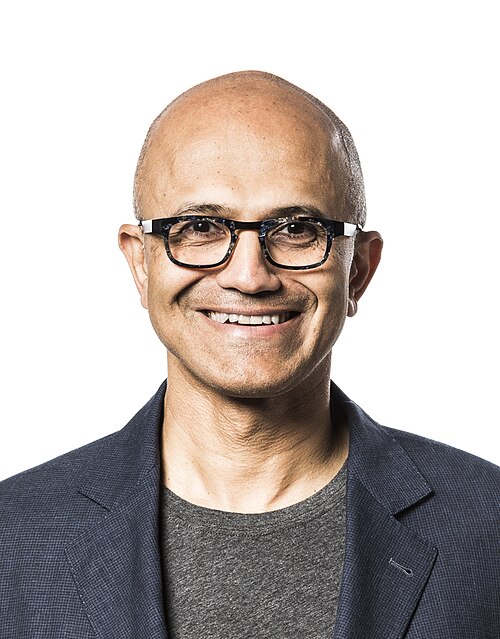 Satya Nadella
Evaluate investment impairments using a systematic methodology that considers market conditions, credit quality, and technological changes.
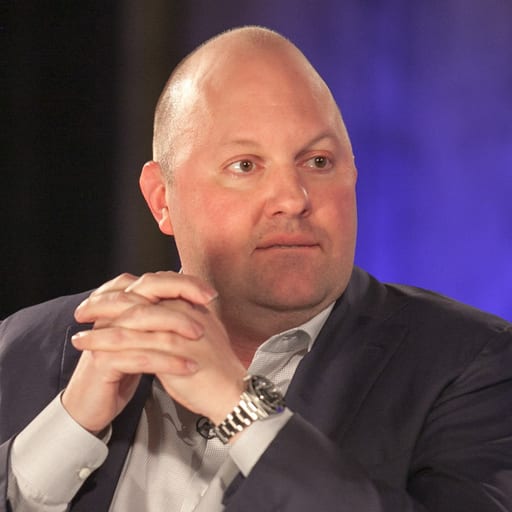 Marc Andreessen
Investing in the legal and operational overhead to handle complex assets like crypto tokens provides a significant competitive advantage over traditional firms.
Acquiring businesses from people with sterling reputations and mutual connections reduces the need for complex legal and financial vetting.
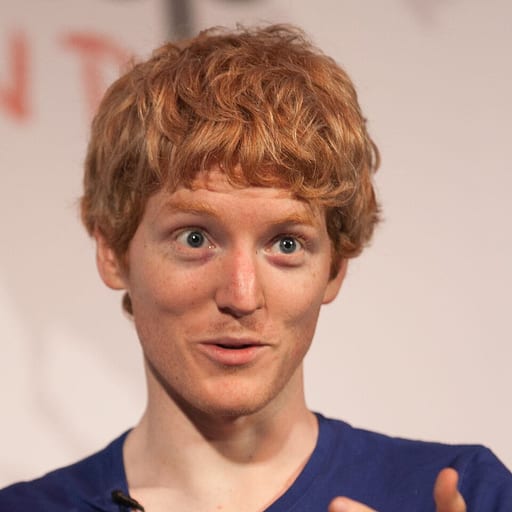 Patrick Collison
In fields where funding or attention is scarce, individual contributors can have a disproportionately large and meaningful impact.
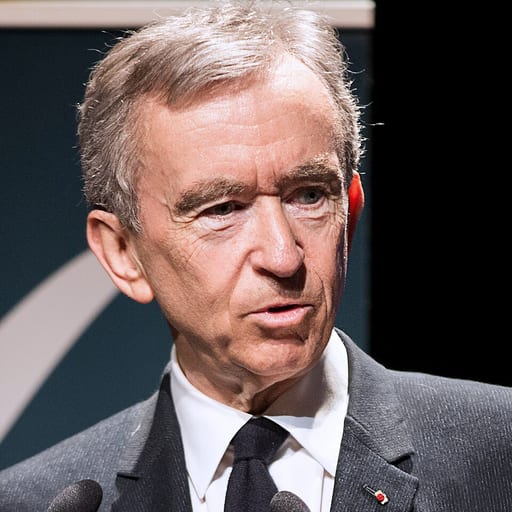 Bernard Arnault
He identifies assets that are more valuable than their selling price due to idiosyncratic market conditions or owner circumstances.
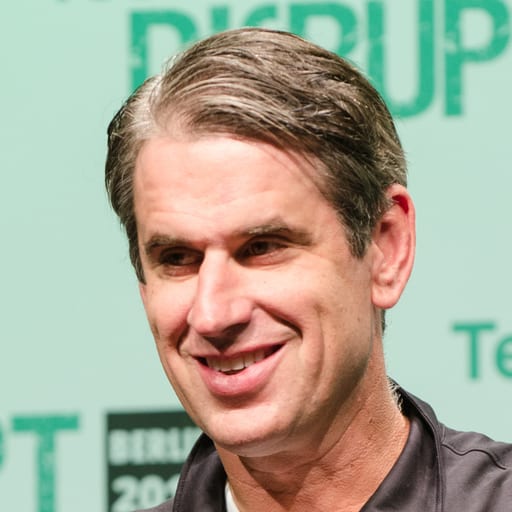 Bill Gurley
Great investors develop a strong opinion on how the world will evolve and then search for the specific company that can execute that future.
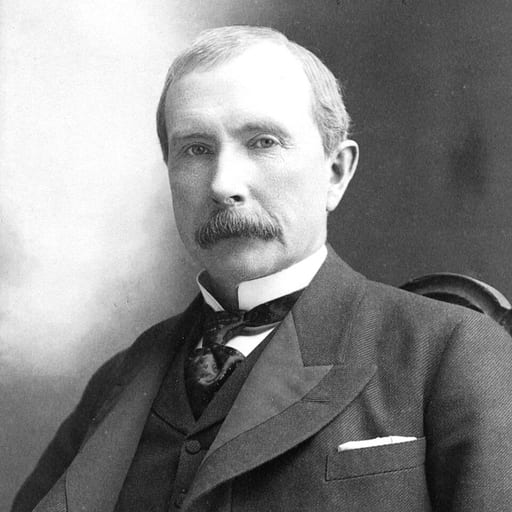 John D. Rockefeller
Invest in projects that align with personal values and have a clear, long-term social return on investment.
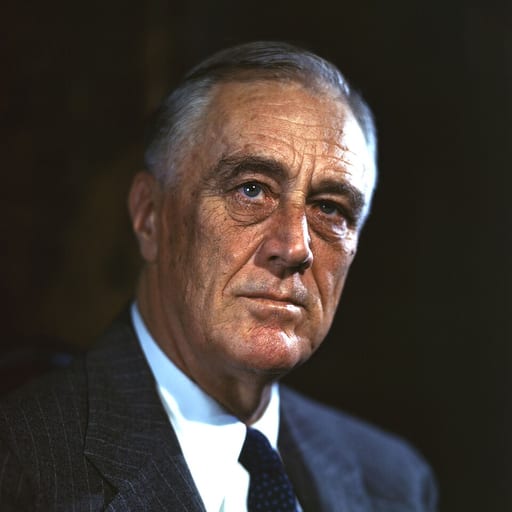 Franklin D. Roosevelt
Investing in preventive measures and infrastructure prevents the total loss of asset values and future economic collapse.
 Jim O'Shaughnessy
Recognize that when a specific metric becomes the primary target, it often loses its value as a reliable indicator of success.
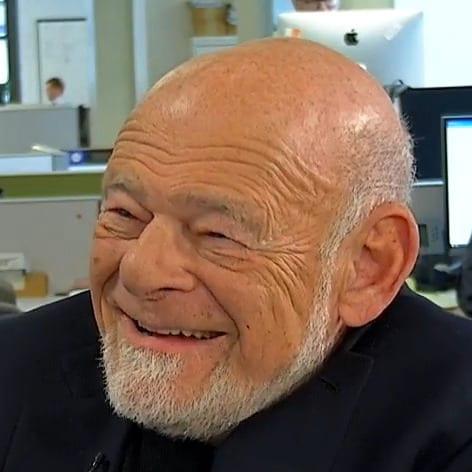 Sam Zell
Zell focuses on high-growth potential in international markets by investing in local companies that dominate specific niches like home building or logistics.
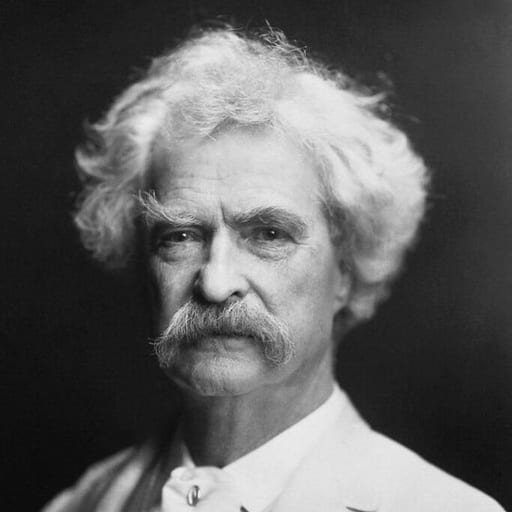 Mark Twain
A person's true priorities and professional identity are revealed by their legal and financial records, such as wills and contracts.
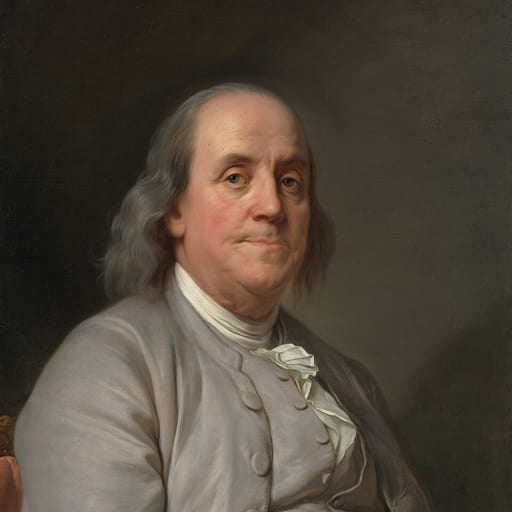 Benjamin Franklin
Small amounts of capital can grow into massive sums over centuries through compound interest to fund future public projects.
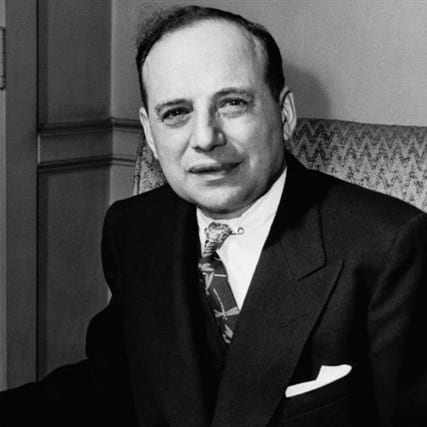 Benjamin Graham
Investing should be approached as a systematic effort to maximize returns and minimize losses, just like running a business.
Lynch views charitable giving as an investment and prefers to support ideas that have the potential to spread and be replicated in other communities.
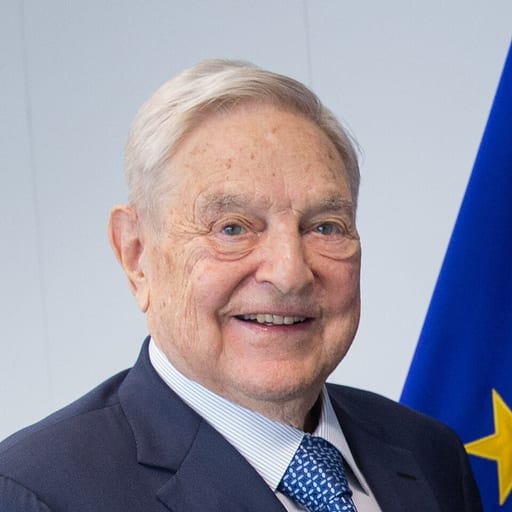 George Soros
Instability does not only come from government spending; private sector excesses can be equally destructive to a system.
Focus on businesses with competitive advantages so strong that their success can be predicted ten years out regardless of economic cycles.
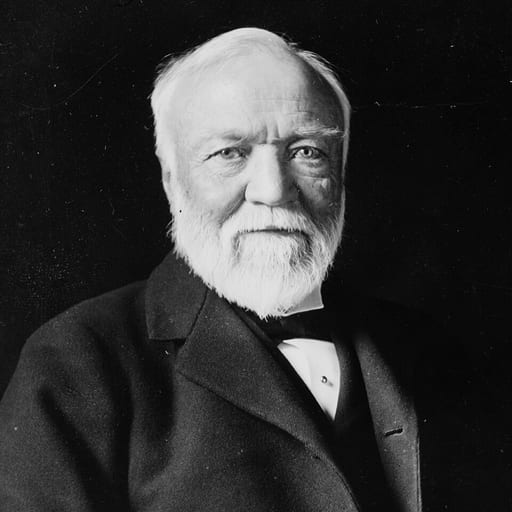 Andrew Carnegie
Carnegie accumulated his initial wealth by consistently reinvesting the returns from his early investments back into related industries.
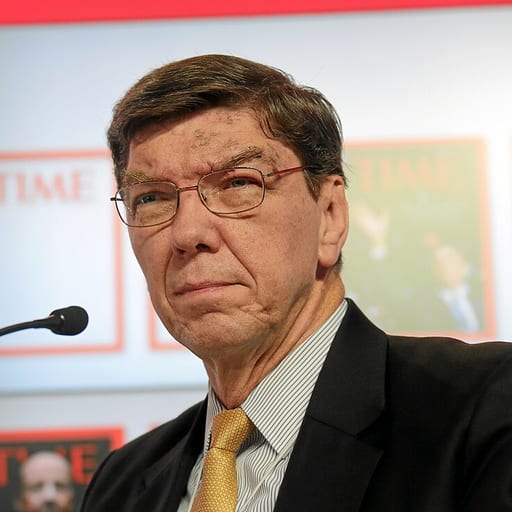 Clayton Christensen
A founder can gain a competitive edge by building an investment firm that directly applies their own academic research and theories to market opportunities.
Episodes are real events from public sources, summarised by us.
Peter ThielPeter Thiel and Founders Fund led a $6 million seed round for Qadium, a cybersecurity firm founded by experts from the CIA and DARPA. They maintained their support through Series A, B, and C rounds as the company worked with the Department of Defense.
LessonFounders with deep domain expertise in government agencies are valuable partners for long-term defense-tech plays.
Warren BuffettBerkshire invested $10.9 million in Capital Cities Communications in 1977. Buffett noted that buying the company's assets through the stock market cost about half of what a direct acquisition would have cost, while allowing superior existing management to stay in place.
LessonBuying minority stakes in the stock market can sometimes be a cheaper way to own high-quality assets than buying the whole business.
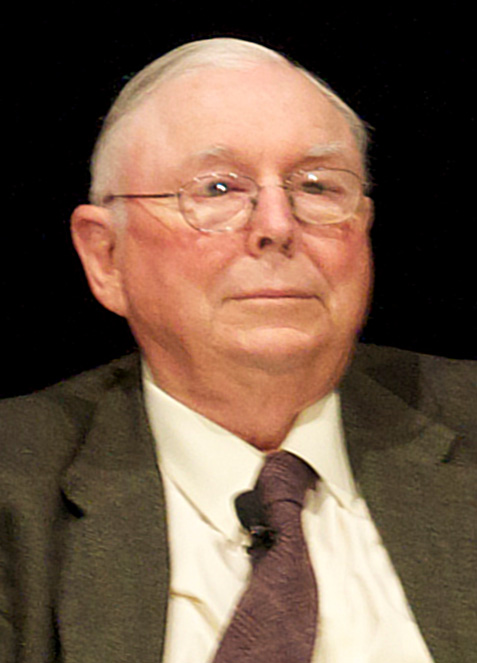 Charlie Munger
Warren Buffett acquired General Re primarily to use Berkshire's overvalued stock and gain a large bond portfolio. However, he did not consult Charlie Munger until late in the process and initially left the existing management in place.
LessonEven a legendary investor can make a mistake by over-engineering a deal and failing to involve a trusted partner early.
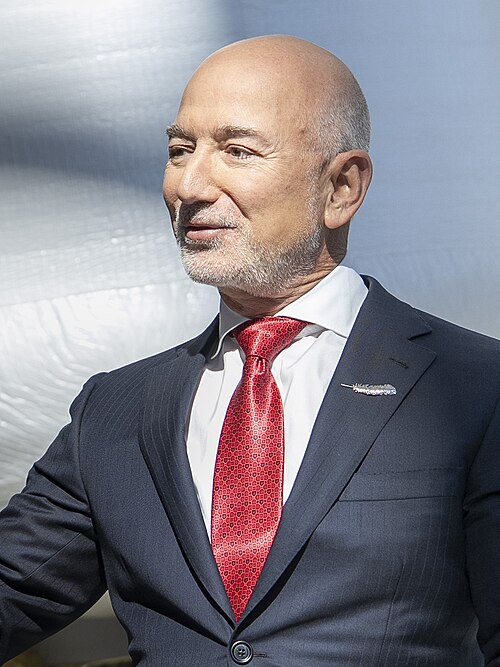 Jeff Bezos
Bezos was one of the first shareholders in Google, investing $250,000 in 1998. This investment grew to be worth billions of dollars by 2017.
LessonEarly investments in promising technology can yield exponential returns over decades.
Sam AltmanDuring the early stages of the pandemic, Sam Altman observed biotech companies and labs increasing their operational speed by over 10x. He advocated for private investors to fill the funding gap left by the federal government's insufficient R&D stimulus.
LessonWhen a critical problem attracts intense focus from top talent, private capital should move quickly to support them.
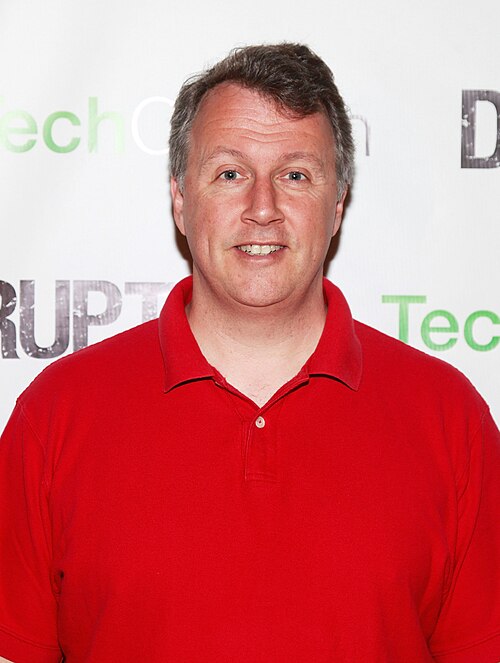 Paul Graham
Sequoia Capital typically takes about 30% of a company when investing alone. They intentionally limit their holdings to ensure founders still feel a strong sense of ownership, even though their brand alone often increases a startup's value by more than the 43% required to break even.
LessonTop-tier investors often provide value that far exceeds the equity they take, making their investment an extraordinary bargain.
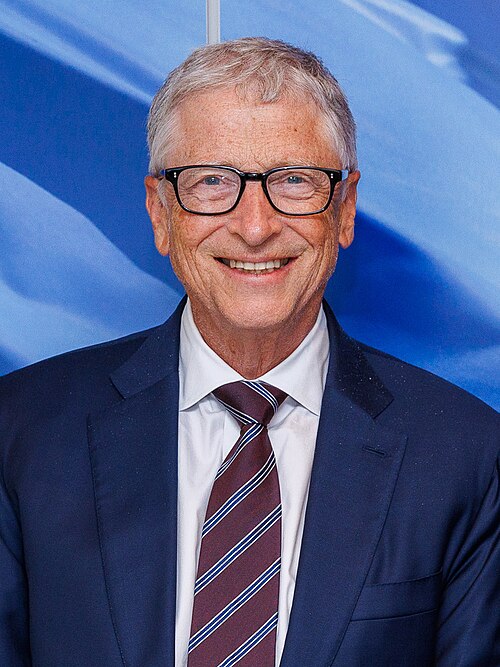 Bill Gates
Gates launched Breakthrough Energy at the UN Climate Change Conference to fund high-risk clean energy startups. He personally committed $2 billion to drive innovation in areas like nuclear energy and grid storage.
LessonSolving massive problems requires taking financial risks on unproven technologies that the public sector may avoid.
Mark ZuckerbergCZI led a $24 million Series B funding round for Andela, a startup that trains software developers in Africa. The program pairs these developers with U.S. companies to bridge the global talent gap.
LessonInvesting in talent development in emerging markets can solve supply issues for established markets.
Reid HoffmanHoffman served on the board of Kiva.org for nearly two decades, supporting its mission of peer-to-peer microlending for underserved entrepreneurs. This involvement reflects his focus on using technology to provide financial access to those in emerging markets.
LessonFounders can drive systemic change by committing to platforms that democratize access to capital and resources.
Satya NadellaMicrosoft made a significant early investment in OpenAI long before products like Copilot existed. This was a strategic move to secure a position in the future of AI before the market was proven.
LessonFounders should make early bets on foundational shifts even before the specific applications or revenue streams are fully clear.
Marc AndreessenAndreessen became a major donor to Fairshake, a pro-cryptocurrency advocacy group. He shifted his political support due to concerns over higher taxes and stricter regulations on AI and crypto industries.
LessonWhen industry-specific regulations threaten business growth, leaders may need to use financial resources to influence the political environment.
After selling Pixel Union for $7 million and seeing it struggle under new management, Andrew bought it back in 2019. He committed $25 million to expand its role in the Shopify ecosystem.
LessonSometimes the best investment is fixing a past mistake by reclaiming a business you understand.