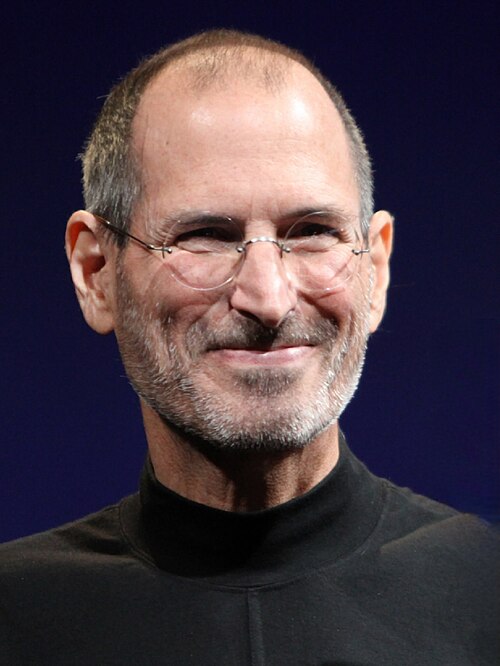
 Steve Jobs
Value Long-Term Reciprocity
Business relationships often balance out over time through mutual help rather than constant commercial transactions.
Topic
Terms, deals and leverage
Picked for this topic from the basic records of many masters.
Principles are our summary of their public statements.
Steve JobsBusiness relationships often balance out over time through mutual help rather than constant commercial transactions.
 Naval Ravikant
Founders can reduce investor control by using standardized documents and educating themselves on market norms.
 Jeff Bezos
He acquires companies not just for their technology, but to prevent competitors from gaining a strategic advantage in key areas like payments.
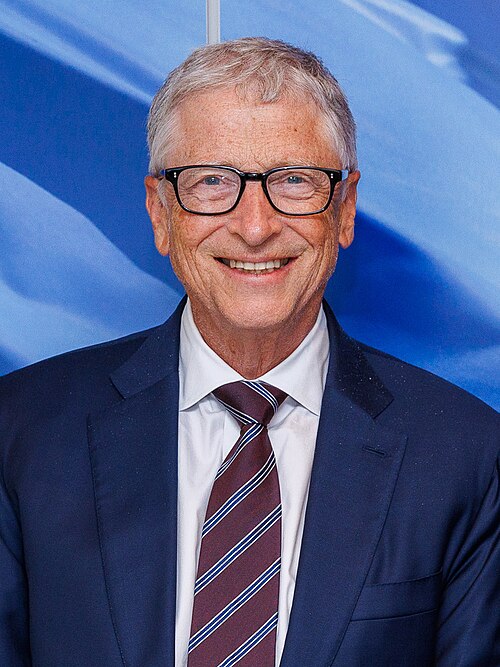 Bill Gates
When partnering with a giant, ensure the right to sell the same product to other competitors to capture the entire market's growth.
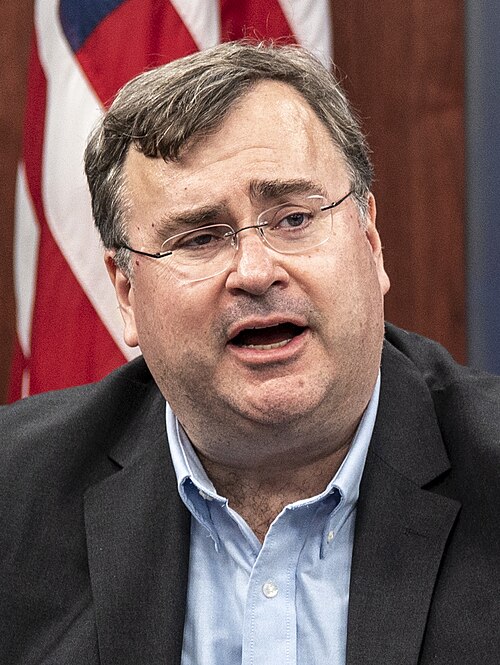 Reid Hoffman
Actively look for where incentives diverge to avoid bad outcomes and manage expectations in partnerships.
 Phil Knight
Structuring deals with royalties rather than flat fees aligns the interests of the partner with the growth of the brand.
 Marc Andreessen
Treat every corporate interaction as non-binding until a legal contract is signed or funds are transferred to the bank.
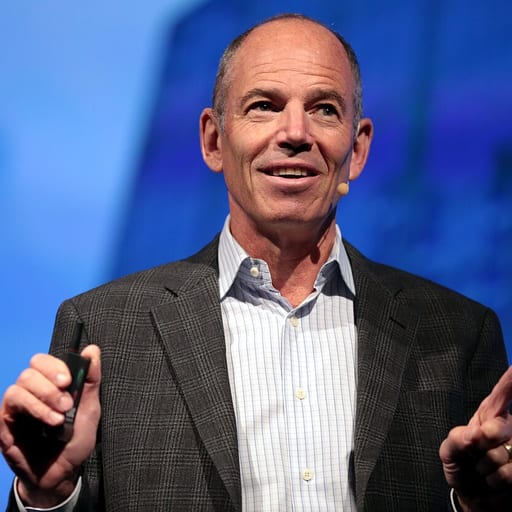 Marc Randolph
When a buyout offer is too low, consider a cross-promotion deal that offloads non-core business functions to a larger partner.
A buyer can often pay a lower price if they offer a fast, painless, and certain closing process compared to traditional buyers.
 Noah Kagan
To get the attention of high-value individuals, provide real value or help them solve a problem before asking for anything in return.
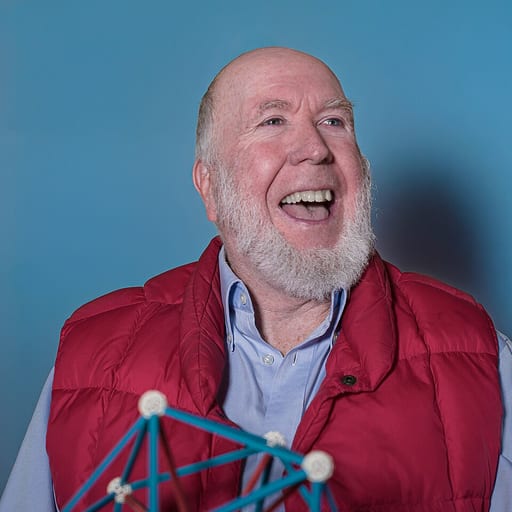 Kevin Kelly
A high advance forces a publisher to invest more in marketing and sales because they have more financial risk at stake.
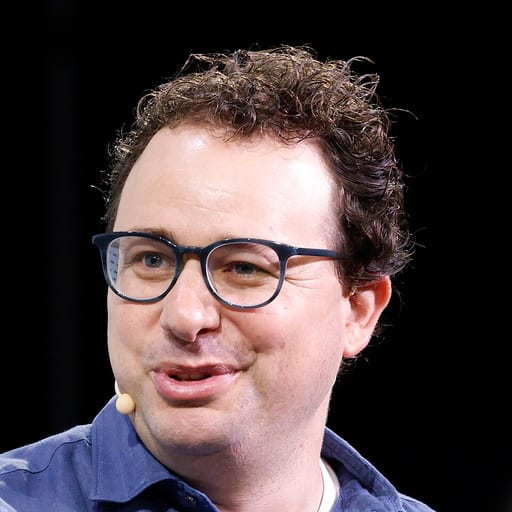 Dario Amodei
Any cooperation or 'pause' in development must have ironclad verification to ensure competitors do not secretly defect and gain a dominant advantage.
 Derek Sivers
Instead of judging someone's behavior as irrational, identify the specific rewards or benefits that make that behavior logical from their perspective.
 Robert Greene
To lower someone's defenses, make them feel that following your lead is an act of their own free will and confirms their goodness.
Instead of a hard refusal, pivot to what is possible to maintain a collaborative spirit while protecting your time.
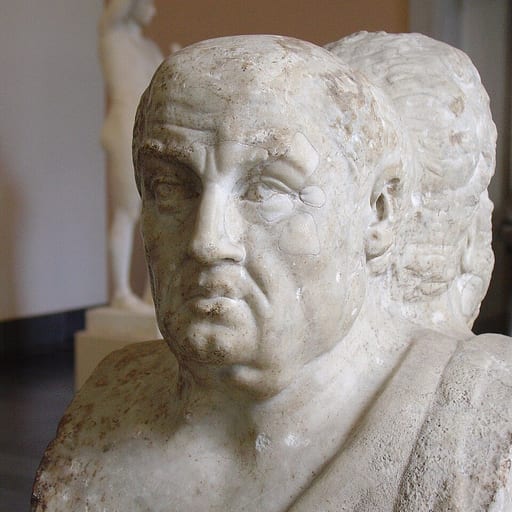 Seneca the Younger
One should return favors or debts in the same form they were received, even if the exchange is purely material rather than moral.
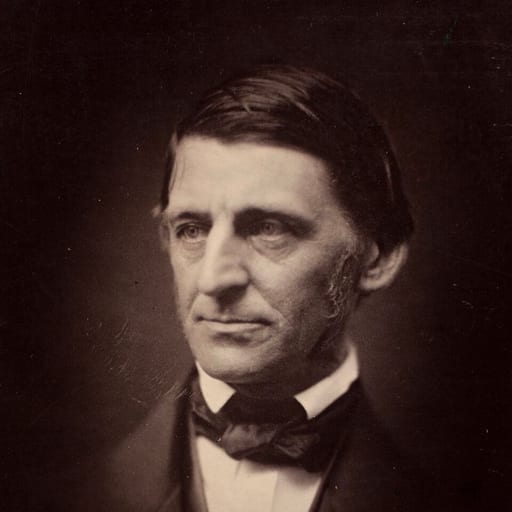 Ralph Waldo Emerson
Success in high-stakes interaction comes from combining humor with a perfect temper, allowing one to remain cool while others lose their footing.
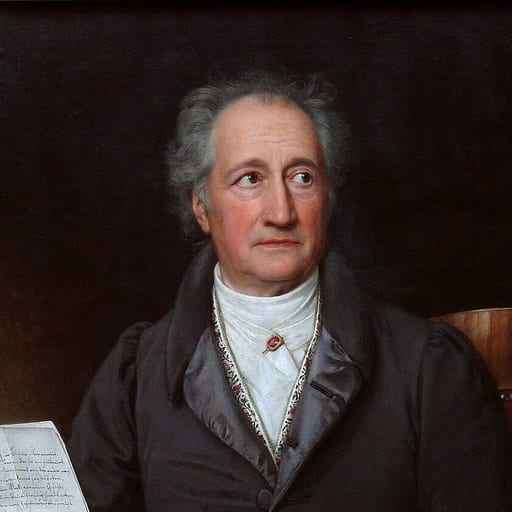 Johann Wolfgang von Goethe
Hidden feelings and assumptions lead to unnecessary conflict; speaking the truth directly can transform a crisis into a successful agreement.
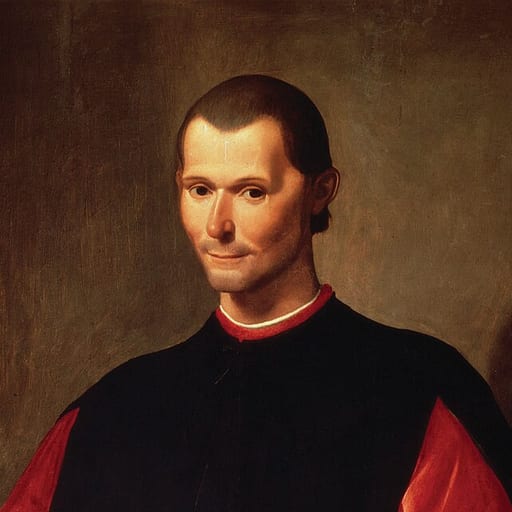 Niccolò Machiavelli
People who value their independence will never accept an unfair peace; it is better to make them partners than to try to keep them as resentful subjects.
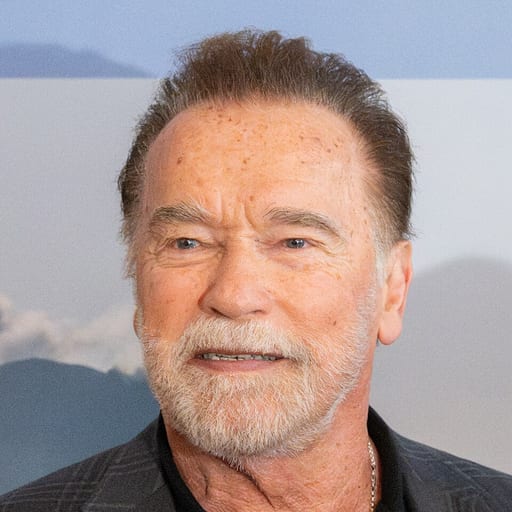 Arnold Schwarzenegger
When facing skepticism about a new direction, waive a fixed salary in exchange for a share of the profits to prove the concept.
 Ryan Holiday
A pragmatist works through existing systems to achieve goals, often using the system's own rules and structures to gain leverage.
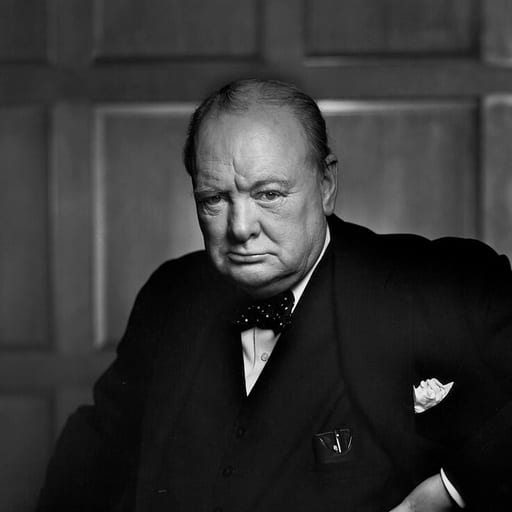 Winston Churchill
Individuals are often defenseless against large powers and should associate with organizations to protect their interests.
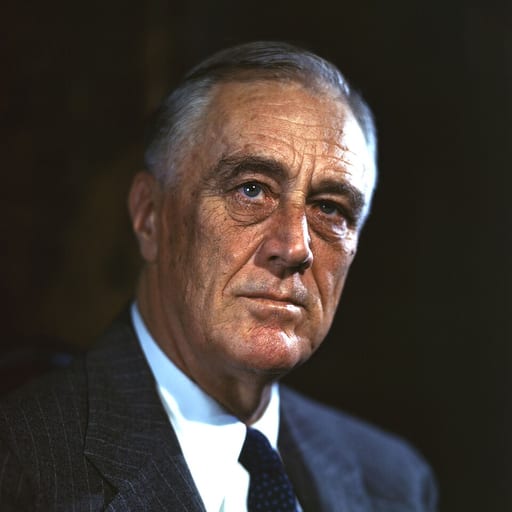 Franklin D. Roosevelt
When facing criticism, force the opposition to move beyond vague generalities and define exactly what they would change or repeal.
 Jim O'Shaughnessy
Successful people use low-pressure environments like golf courses to foster casual conversations that lead to business deals.
Episodes are real events from public sources, summarised by us.
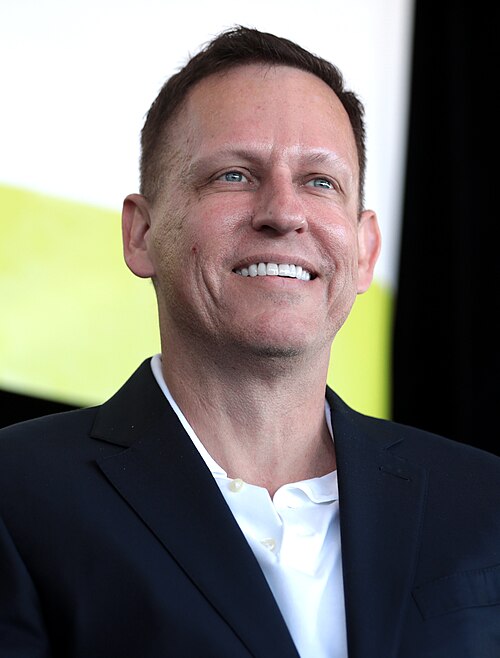 Peter Thiel
He received citizenship despite not meeting the typical residency requirements by citing his economic contributions. He had founded a venture capital fund and invested millions in local companies and disaster relief.
LessonSignificant economic impact and strategic investment can provide leverage in navigating complex regulatory or legal requirements.
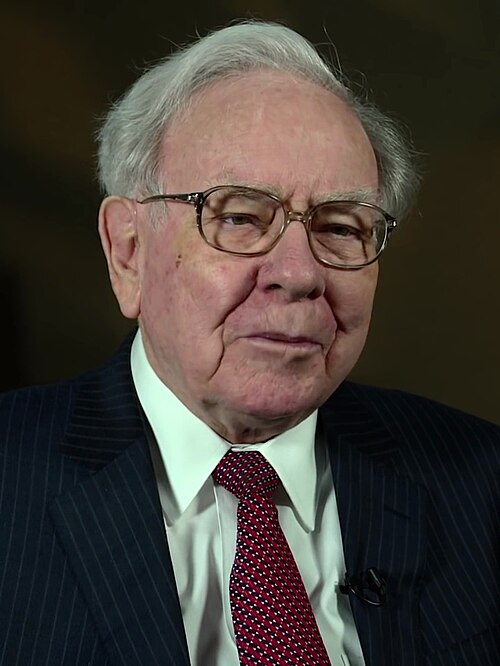 Warren Buffett
During the 2008 crisis, Buffett provided billions in capital to Goldman Sachs and General Electric. These deals included special incentives like high dividends and options to buy more shares later.
LessonCash reserves allow you to negotiate from a position of strength when everyone else is desperate for liquidity.
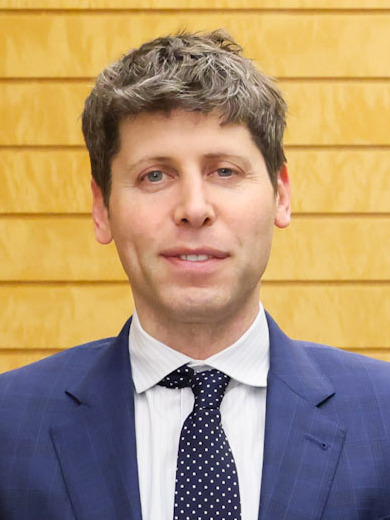 Sam Altman
 once received an investment offer with a strict expiration date that pressured him as a founder. This negative experience led him to remove expiration dates from his own term sheets to respect founders' decision-making processes.
LessonPast negative experiences as a customer or founder should inform how you treat others in your business dealings.
Reid HoffmanAI companies approached the New York Public Library to scan and ingest its entire collection, but the library refused because the companies wouldn't commit to specific checks and balances. The library insisted on creating an AI based specifically on verified books rather than general internet data.
LessonProtect your most valuable assets, like trust and proprietary data, even when offered lucrative partnerships that lack accountability.
Phil KnightDuring a trip to Japan, Knight observed runners wearing Tiger brand shoes and decided to visit the manufacturer, Onitsuka, in Kobe. Despite having no established company, he presented himself as an American distributor to negotiate an import deal.
LessonDirect action and showing up in person can open doors that seem closed to a new founder.
Marc AndreessenAndreessen dealt with a major East Coast tech company that repeatedly demanded immediate action, including a mandatory cross-country flight for dinner. Despite the urgency they projected, the company never followed through on any deal.
LessonA big company's sense of urgency does not guarantee a final commitment or a closed deal.
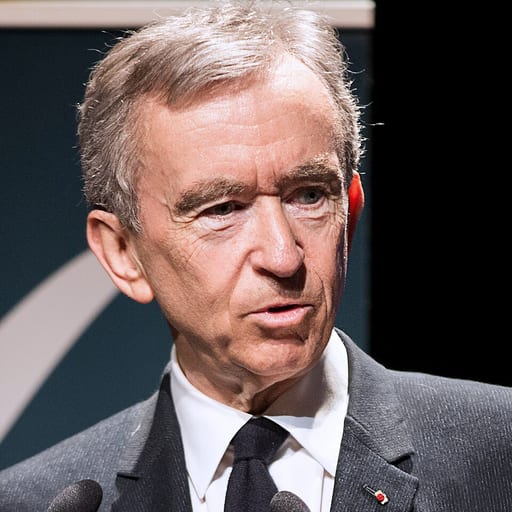 Bernard Arnault
Arnault reached a verbal agreement to buy Gucci for $400 million but backed out after due diligence, claiming the brand was worthless. Shortly after, Gucci's new leadership revitalized the brand, leading to a $3 billion IPO just a year later.
LessonEven a master can misjudge a brand's potential for a turnaround, leading to a massive missed opportunity.
Robert GreeneGreene was interviewed by Alexei Venediktov, a famous liberal radio host in Moscow. They exchanged sharp critiques of both Russian and American leadership, using irony to navigate their differing political perspectives.
LessonUsing wit and irony can help maintain a productive dialogue even when discussing highly contentious topics.
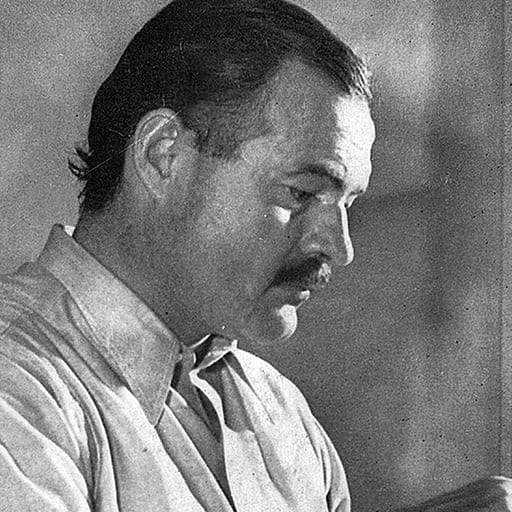 Ernest Hemingway
Hemingway wanted to switch to Scribner's but was tied to a three-book contract. He intentionally submitted a satirical novella that parodied one of his publisher's top authors, triggering a rejection clause that freed him from the contract.
LessonUnderstanding the fine print of a contract allows for creative maneuvers to exit restrictive business relationships.
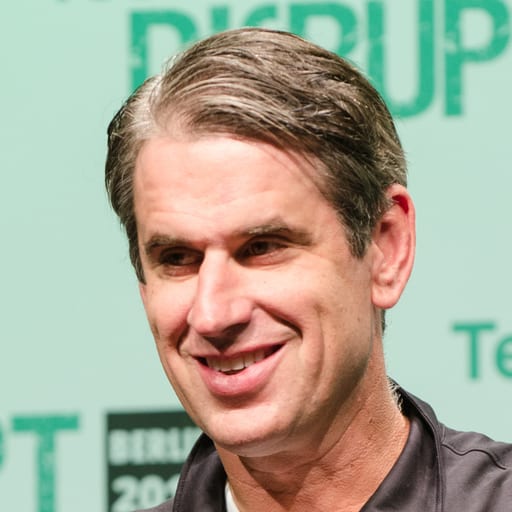 Bill Gurley
Apple secured an unprecedented deal with AT&T by demanding control over the user interface and a cut of service revenue. This forced other carriers to look for an alternative to solve their iPhone problem.
LessonA dominant product allows you to demand aggressive economics from established industry players.
 Richard Feynman
Feynman negotiated a move to Caltech that included a first-year sabbatical in Brazil. During this time, he taught physics, played samba music, and enjoyed a different culture before settling into his new role.
LessonNegotiating for personal freedom and a change of environment during a career transition can prevent burnout and broaden perspectives.
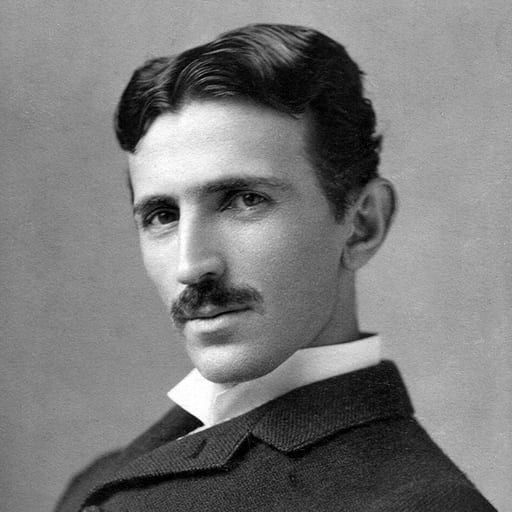 Nikola Tesla
Tesla redesigned Edison's inefficient generators and improved their performance significantly. Although Edison promised a $50,000 bonus for the project, he refused to pay once it was completed.
LessonUnmet financial promises in a partnership can be a valid reason to leave and start your own venture.