 Elon Musk
Recognize Defensive Superiority
Understand that in modern attrition warfare, the cost of going on the offensive is significantly higher than staying on the defensive.
Topic
Betting big without betting the company
Picked for this topic from the basic records of many masters.
Principles are our summary of their public statements.
Elon MuskUnderstand that in modern attrition warfare, the cost of going on the offensive is significantly higher than staying on the defensive.
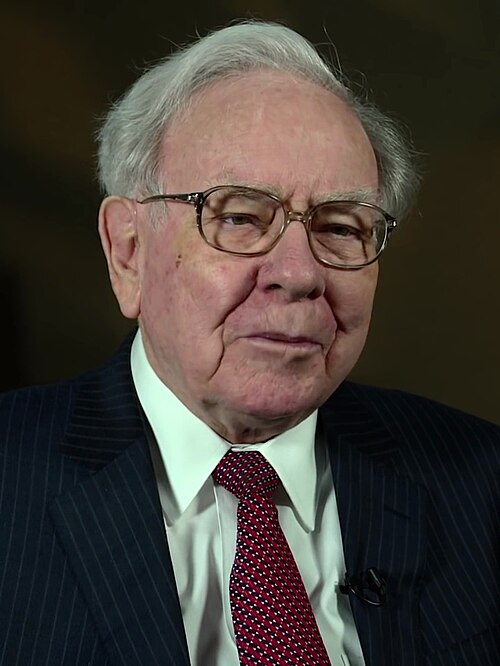 Warren Buffett
When investing in foreign markets, use debt denominated in that local currency to offset the risk of currency fluctuations that cannot be predicted.
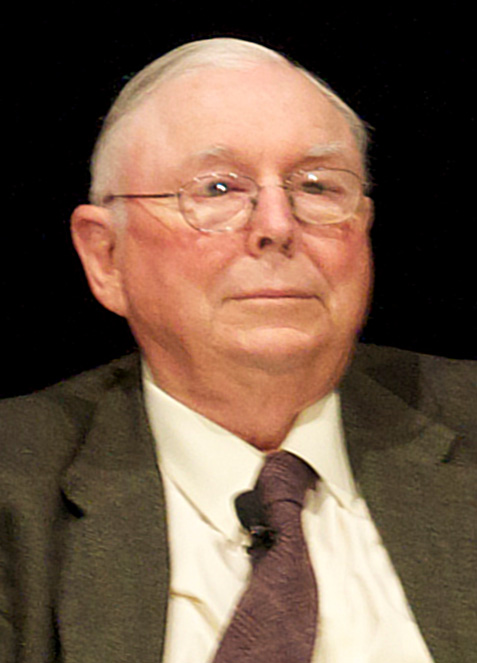 Charlie Munger
Prioritize the safety of the main enterprise over the potential for higher returns through excessive leverage.
 Naval Ravikant
One must account for the massive risk of failure by applying a high discount rate to any promised future income.
 Jeff Bezos
When a new technology or market shows massive, unprecedented growth, it is a signal to quit complacency and start a business immediately.
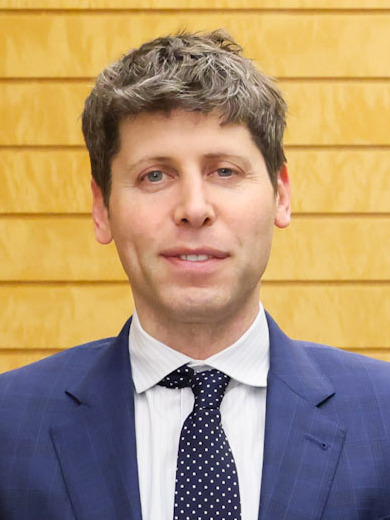 Sam Altman
Understand that complex systems can suffer from cascading effects that go beyond the initial trigger.
 Reid Hoffman
Always maintain strong relationships with potential partners who have the resources you lack, as they serve as vital backups when domestic options fail.
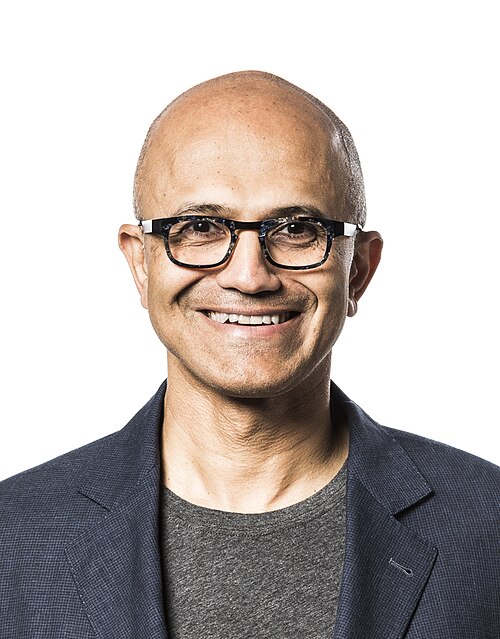 Satya Nadella
Decisively recognize when the value of an asset or business unit has dropped to avoid carrying unrealistic valuations on the balance sheet.
 Marc Andreessen
When intellectual property disputes arise, it is safer to rewrite the code from the ground up than to reuse existing assets.
 Balaji Srinivasan
Understand that governments may eventually treat private household assets as collateral to pay off uncontrollable national debt.
 Noah Kagan
Do not let ego or stubbornness drive you to complete a goal if the downside risk significantly outweighs the benefit.
 Kevin Kelly
Creating formal contracts to share gains and losses with a partner helps individuals endure high-uncertainty environments.
 Andrej Karpathy
Adversarial vulnerabilities often stem from the linear nature of models rather than their complexity. Recognizing this helps in identifying risks across different domains like speech or image recognition.
It is better to have an ugly, copy-cat product that many people use than a beautiful, innovative one that no one uses.
 Bill Gurley
Do not invest in complex systems that provide a sense of safety without actually addressing the underlying vulnerability.
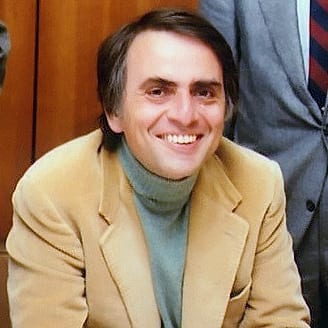 Carl Sagan
People often reject evidence of being fooled because admitting they were taken is too painful; avoid giving power to charlatans.
 Johann Wolfgang von Goethe
Small oversights in preparation or defense can allow unwanted influences to enter or prevent them from leaving.
 Carl Jung
Be fully aware of the dangers in complex investigations or ventures, and take precautions without letting fear stop the work.
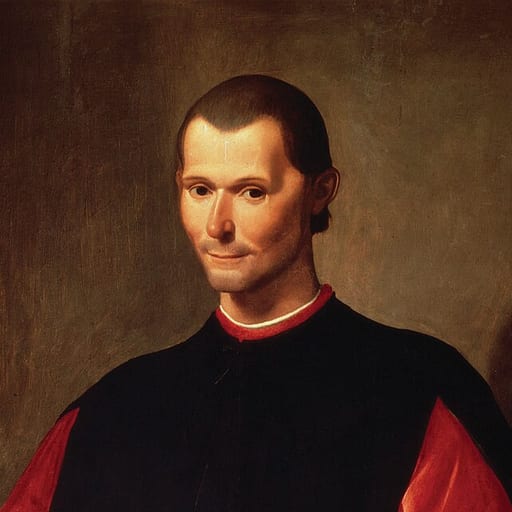 Niccolò Machiavelli
Fortune favors the audacious and the young because they are less scrupulous and more willing to command circumstances to their will.
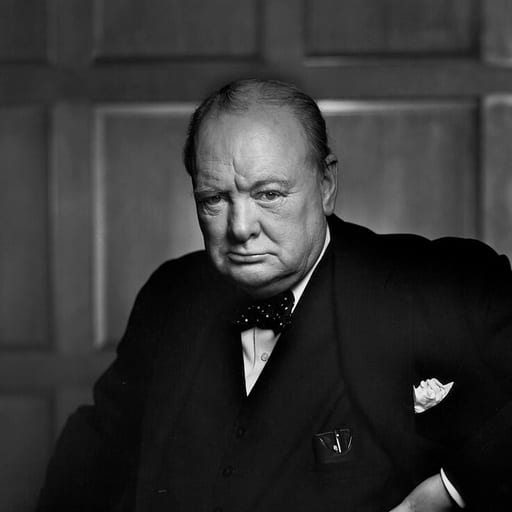 Winston Churchill
A location or opportunity that looks perfect on the surface may hide systemic risks that make long-term success impossible.
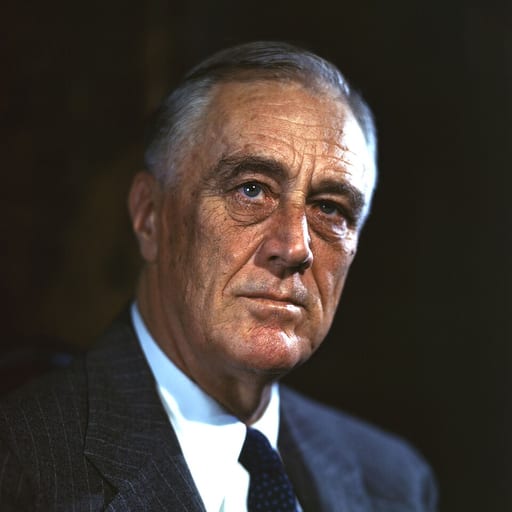 Franklin D. Roosevelt
When external conflicts arise, focus on a well-ordered neutrality while maintaining adequate defense to prevent being drawn into unnecessary risks.
 Jim O'Shaughnessy
Taking a leap of faith often requires a touch of irrationality to break free from old patterns and constraints.
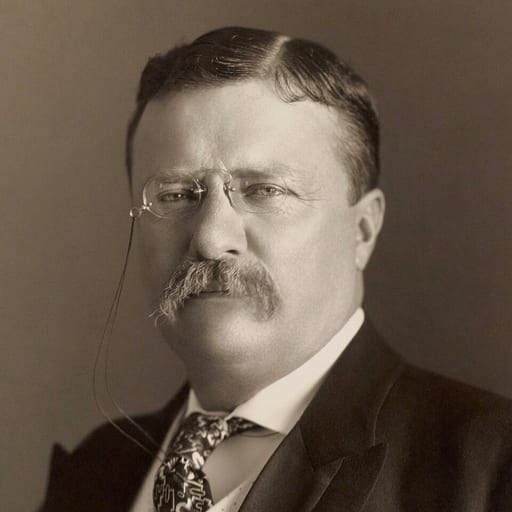 Theodore Roosevelt
Even small, seemingly minor annoyances like insects can become major obstacles; carry the right tools even if they seem unnecessary at first.
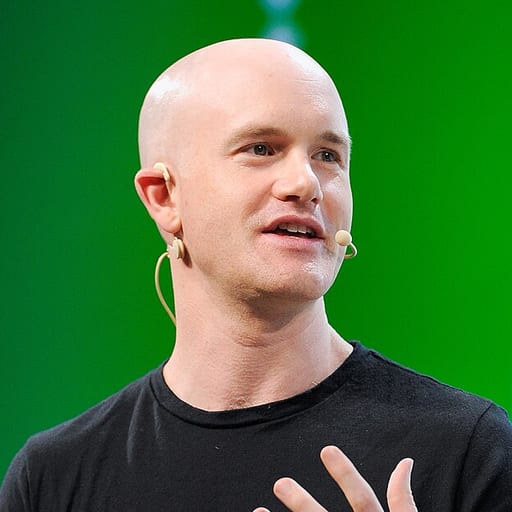 Brian Armstrong
An entrepreneur should be willing to try new ideas even if they are the only one in their circle who finds the concept interesting.
Episodes are real events from public sources, summarised by us.
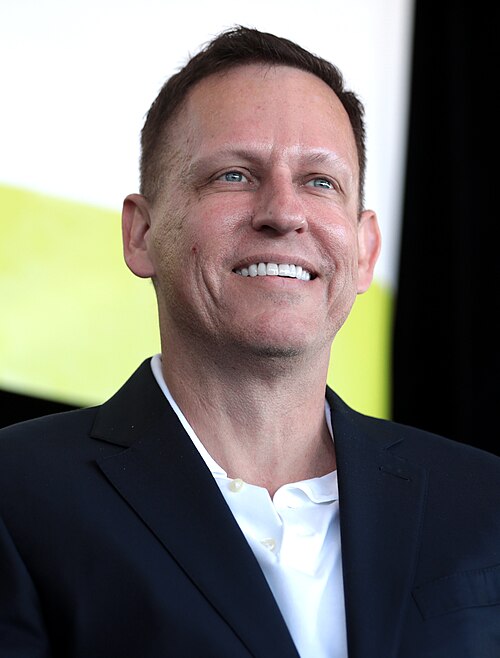 Peter Thiel
Thiel observed the Federal Reserve attempting to stave off a recession through loose monetary policy. He viewed this as a desperate effort to maintain the political tenability of globalization despite growing economic weaknesses.
LessonPolicy interventions intended to fix one problem often create new risks like inflation or asset bubbles.
Warren BuffettConstellation Energy faced a liquidity crisis due to collateral posting requirements and was on the verge of bankruptcy. MidAmerican, a Berkshire subsidiary, arrived to rescue the company just hours before it would have failed.
LessonCollateral requirements can destroy even large companies during market chaos.
Naval RavikantNaval observed the rising optimism and funding in the mid-2000s tech scene. He concluded that Web 2.0 was essentially a second bubble, characterized by a slightly more cautious but similar hype machine to the first.
LessonUnderstand that market cycles repeat with different labels, and founders should stay aware of the underlying liquidity driving the hype.
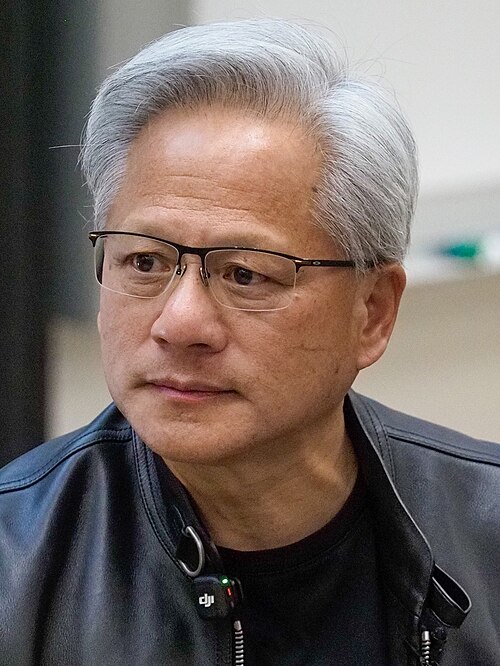 Jensen Huang
A hacking group stole NVIDIA's source code and demanded they open-source their drivers and remove crypto mining limiters. This incident highlighted how much of NVIDIA's power comes from its proprietary driver stack and CUDA software.
LessonProprietary software tightly coupled with hardware creates immense pricing power and a defensible moat.
Reid HoffmanReid examined a lawsuit against Character.AI involving a child's suicide to understand if the chatbot was at fault. He found that the chatbot did not encourage the act and likely provides a sympathetic ear that could decrease overall suicide rates.
LessonEvaluate product risks by looking at the total probability curve rather than isolated tragic incidents.
 Howard Marks
In the 1950s, Simplicity Patterns was considered a company that could never be hurt because home sewing was common. As people stopped sewing their own clothes, the business model became obsolete.
LessonA business that relies on a specific lifestyle habit is vulnerable if that habit disappears.
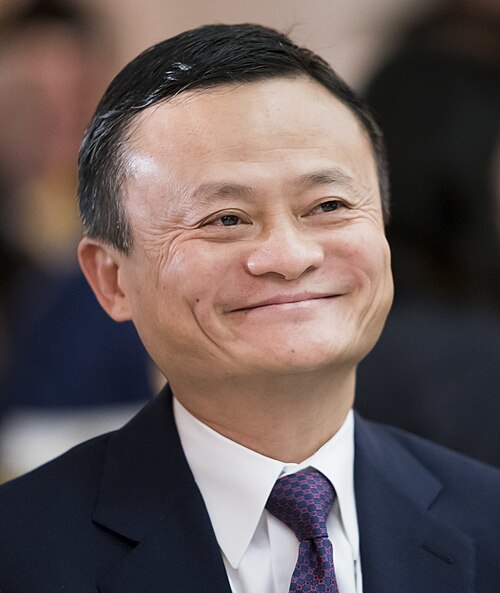 Jack Ma
After Ma criticized Chinese regulators and state banks in a speech, the IPO of Ant Group was halted. Ma disappeared from public view for several months during this period of intense scrutiny.
LessonPublic criticism of powerful institutions can carry significant risks for a business and its leadership.
Satya NadellaIn June 2000, Judge Jackson ruled that Microsoft had abused its monopoly power and ordered the company to be split into two separate entities: one for operating systems and one for applications. This ruling caused Microsoft's market cap to drop by 55% over a year, falling from $600 billion to $270 billion.
LessonLegal and regulatory battles can cause massive market value destruction and internal cultural damage even before a final resolution is reached.
 Phil Knight
For the first 15 years, Phil Knight operated Nike with a 100% debt-to-assets ratio. He even used his personal home as collateral to guarantee loans and avoid taking on equity investors.
LessonHigh leverage can lead to massive wealth if the company survives, but it leaves zero room for error.
Andrew noticed that billion-dollar valuations were becoming common and that many startups were burning cash without clear paths to profit. He compared the environment to the 1999 dot-com bubble, noting rising rents and high programmer salaries in San Francisco.
LessonMarket euphoria often signals an unsustainable correction, so founders should focus on business fundamentals.
Balaji SrinivasanThe US government and Fed officials insisted inflation was not a risk throughout 2021, encouraging many to buy Treasuries. Shortly after, they hiked interest rates aggressively, causing massive losses for those who trusted the initial guidance.
LessonInstitutional guidance can change abruptly, leaving those who followed it without a hedge in a vulnerable position.
Noah KaganNoah built a business on the Facebook platform, but the company almost went bankrupt in a single day when Facebook banned them. This taught him the danger of being entirely dependent on a single third-party platform.
LessonDiversify your business to avoid total dependence on a single platform's algorithm or rules.