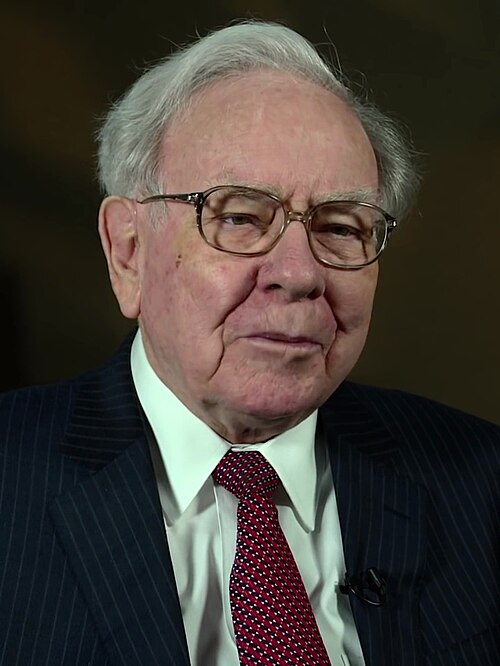
 Warren Buffett
Verify Brand Resilience Through Diligence
When a company faces a scandal, one should talk directly to customers to see if their trust and buying habits have actually changed.
Topic
Positioning people remember
Picked for this topic from the basic records of many masters.
Principles are our summary of their public statements.
Warren BuffettWhen a company faces a scandal, one should talk directly to customers to see if their trust and buying habits have actually changed.
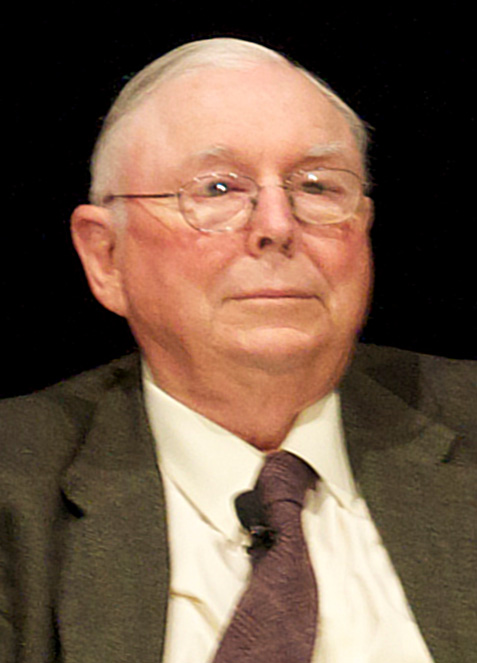 Charlie Munger
Use a strong balance sheet and reputation to act as a lender of last resort when counterparties stop trusting traditional banks.
 Naval Ravikant
Using one's own name creates a powerful brand that acts as an instant validator and attracts capital and labor.
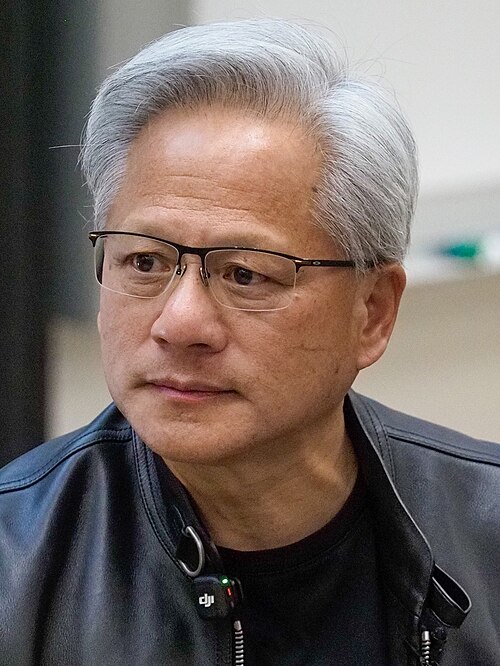 Jensen Huang
Prioritize long-term dependability over short-term profit by maintaining consistent pricing even when demand spikes.
 Paul Graham
When products look identical due to minimalism, creating a unique visual identity allows customers to signal their choice of brand to others.
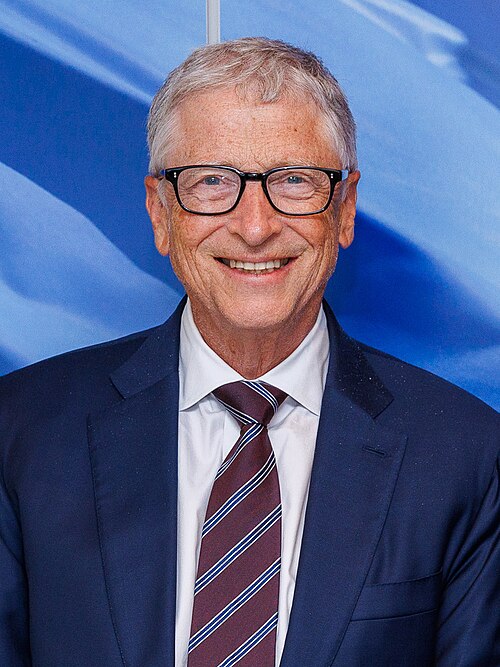 Bill Gates
Even with strong revenue and profit growth, a company's value can stagnate if the leadership fails to tell a compelling story about its future relevance.
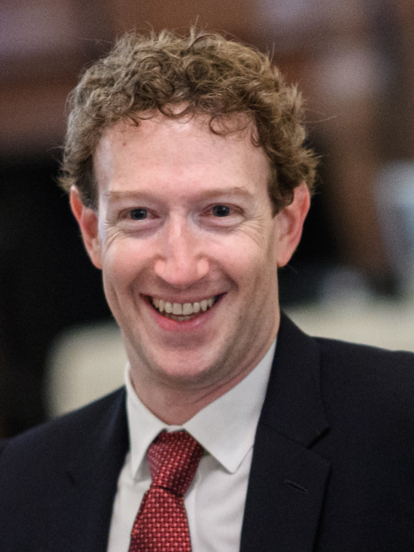 Mark Zuckerberg
Support independent research and academic studies before a crisis hits, as self-defense lacks credibility once allegations are already public.
 Reid Hoffman
Technology platforms should embody and export core values like individual freedom to set a positive global standard.
 Phil Knight
Create elite products for top athletes first to build a brand halo that eventually attracts mass consumers.
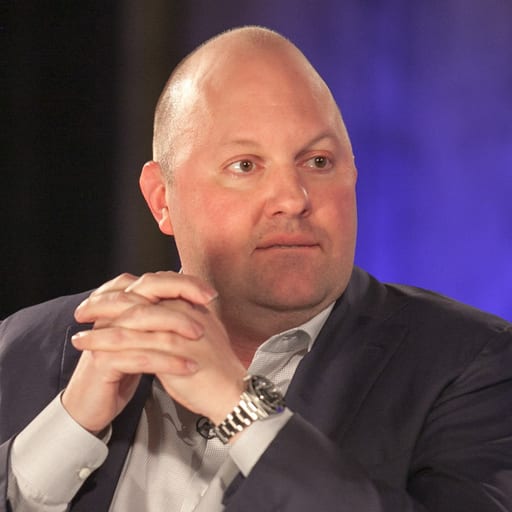 Marc Andreessen
Instead of following the industry norm of opacity, a leader should stand on a soapbox and loudly preach about how cool the future will be.
Position the buying process as a way to protect the staff and the long-term health of the business rather than a 'pump and dump' scheme.
 Tim Urban
Create open, informal gatherings alongside exclusive curated events to include as many community members as possible.
 Noah Kagan
A brand achieves ultimate dominance when its name becomes the generic term consumers use for the entire product category.
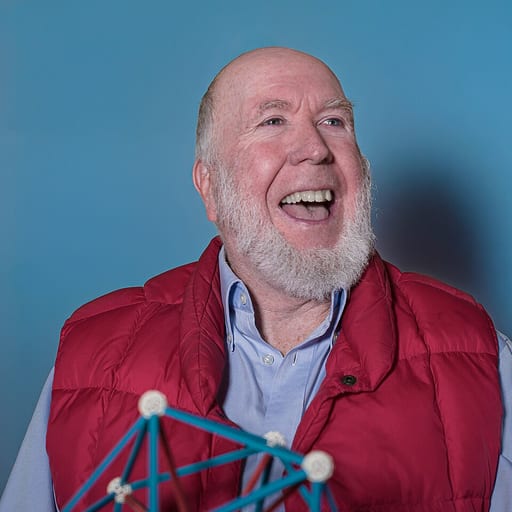 Kevin Kelly
Modern business competition is no longer just about physical products but about winning the battle for mental images and perceptions.
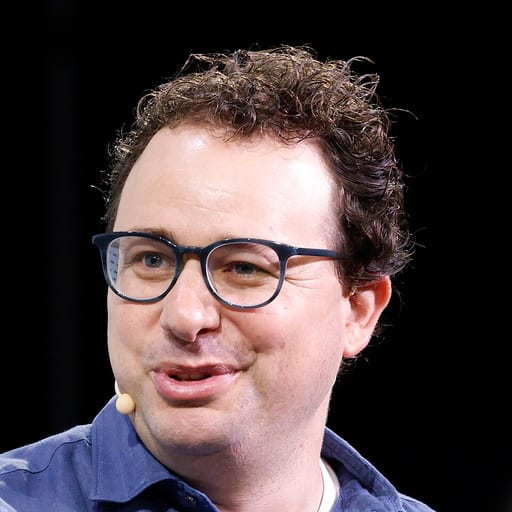 Dario Amodei
Allow external reviewers to publish findings without editorial control, even if the results are unfavorable, to build genuine public trust.
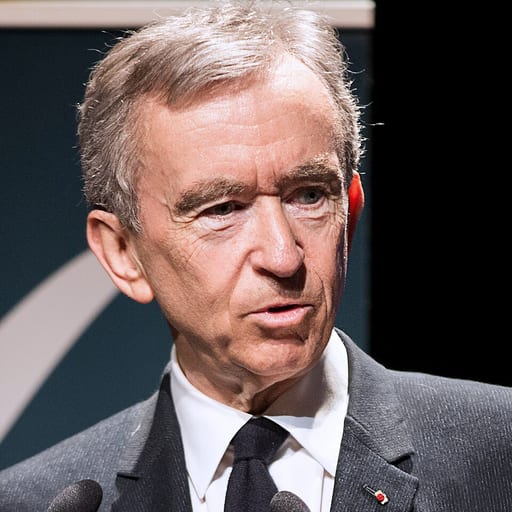 Bernard Arnault
A powerful brand name can survive years of poor management and financial turmoil because its core value remains intact.
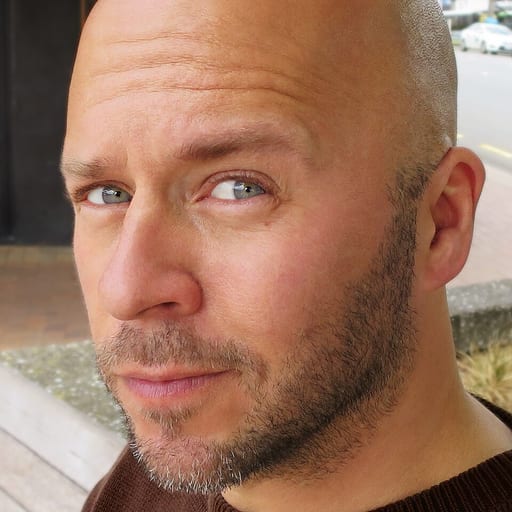 Derek Sivers
Create unique and memorable brand names by combining two short, hand-picked dictionary words.
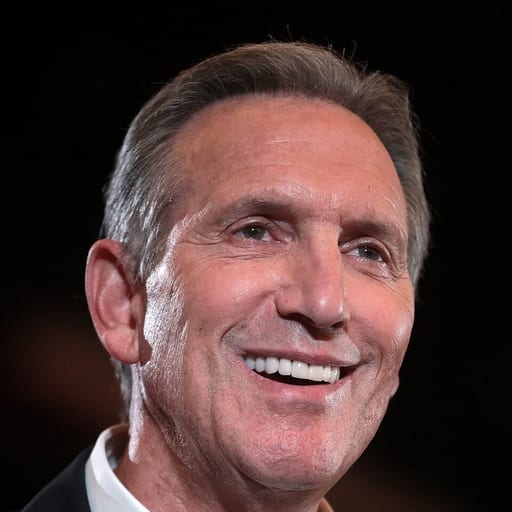 Howard Schultz
A company's reputation and brand perception can and should be larger than its actual physical footprint or revenue.
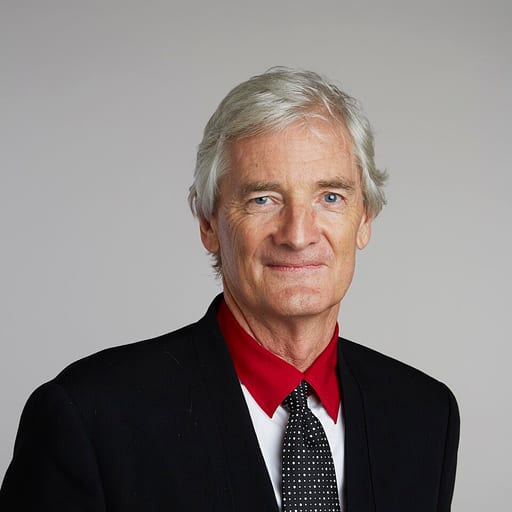 James Dyson
Dyson uses sports sponsorship to build brand presence by becoming the title sponsor of a team he personally supports.
 Seth Godin
Every element of a service, including the pricing model and staff attire, must reinforce the customer's sense of comfort and trust.
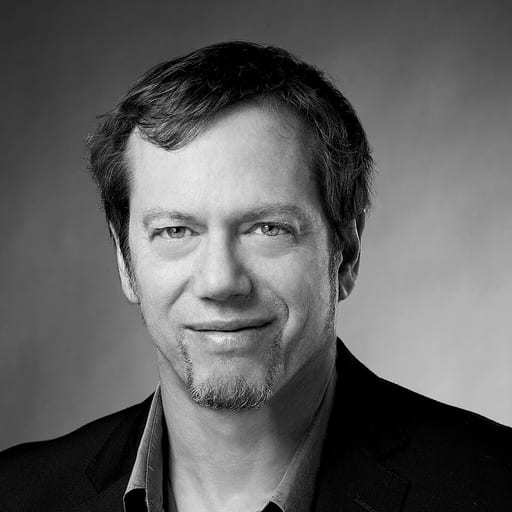 Robert Greene
Long-term success depends on being seen as reliable by associates, so never let short-term greed damage your word.
Ads perform better when they mimic the format of popular movies or entertainment rather than traditional sales pitches.
Share failures selectively to ensure you remain seen as a competent partner while still being honest about mistakes.
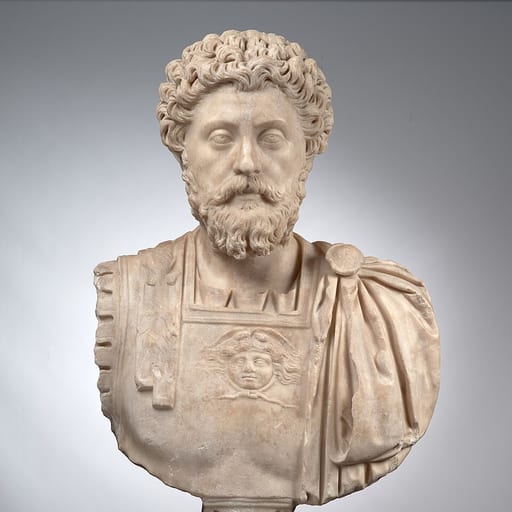 Marcus Aurelius
True quality does not require praise to be good, nor does blame make it worse. Focus on building a product or character that is beautiful in itself.
Episodes are real events from public sources, summarised by us.
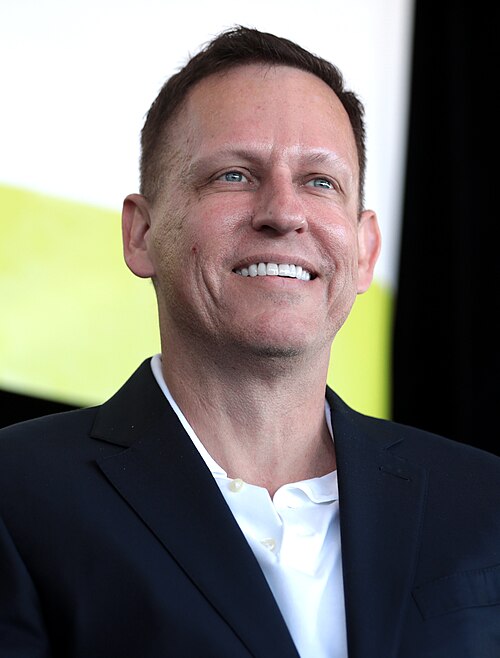 Peter Thiel
피터 틸은 1987년 노먼 북과 함께 스탠퍼드 리뷰를 창간했어요. 이는 당시 학내의 주류 의견이었던 '레인보우 아젠다'에 대한 대안적인 관점을 제공하고 합리적인 토론의 장을 만들기 위함이었어요.
Lesson주류 의견에 의문을 제기하는 독립적인 매체를 만드는 것은 강력한 네트워크의 시작이 될 수 있어요.
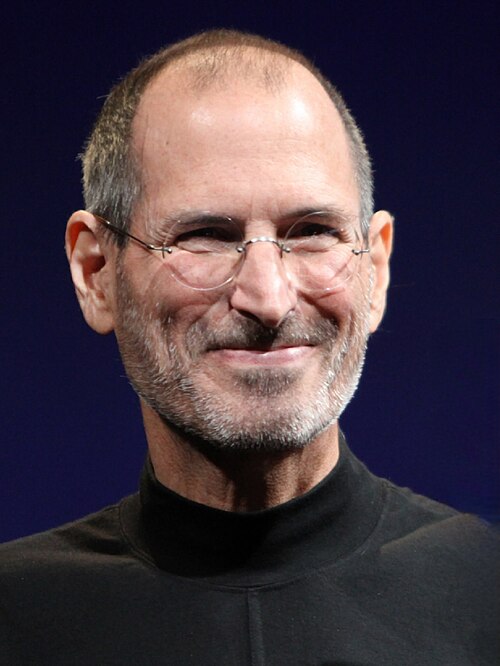 Steve Jobs
During the iPhone launch, Jobs renamed 'Apple Computer, Inc.' to 'Apple Inc.' to signal that the company was no longer just about computers. This reflected a broader focus on consumer electronics like the iPhone and Apple TV.
LessonYour brand name should reflect the current and future scope of your business, not just its past.
Paul GrahamPaul Graham bought a new 27인치 iMac because the hardware was beautiful, but he felt guilty about it for the first time. He compared the feeling to buying products from a country with a poor human rights record because of Apple's treatment of developers.
LessonEven great products can't fully compensate for a brand reputation that starts to feel 'evil' to its core users.
Bill GatesThe partnership was originally named 'Micro-Soft' to reflect the combination of microcomputers and software. They eventually dropped the hyphen and officially registered the name in New Mexico.
LessonA clear brand name that describes the intersection of your industry and product can be very effective.
Mark ZuckerbergMark Zuckerberg appeared at the Chase Center for a live podcast recording. He opened his segment by referencing Jensen Huang's previous clarification and jokingly stated he no longer apologizes.
LessonFounders can evolve from being defensive to being confident in their public persona.
Reid HoffmanReid points to LinkedIn as a counter-example to the general mistrust of social media. He argues that social networks can be built and managed well, providing a positive model for the industry.
LessonSpecific positive examples can be used to counter broad industry skepticism.
Phil KnightPhil Knight released his memoir, Shoe Dog, detailing the history of Nike from its early days as Blue Ribbon Sports. He chose to be refreshingly honest about the perils and mistakes encountered during the company's evolution.
LessonBeing open about your struggles can build a powerful legacy and inspire others more than a perfect facade.
Marc AndreessenMarc and Ben decided to name the firm after themselves despite PR advice that it seemed too partner-centric. They justified it by leveraging Marc's existing fame as the Mosaic creator and planned to eventually transition to the 'a16z' moniker.
LessonUsing a founder's established reputation can provide a massive head start in a crowded market.
Tim UrbanAfter reading about a man named Femi in Nigeria who had to skip college to support his family, Tim's readers organized a fundraiser. They raised over $1,000 to help him return to university and support his ten-person family.
LessonAuthentic storytelling can build a powerful community that takes real-world action to help others.
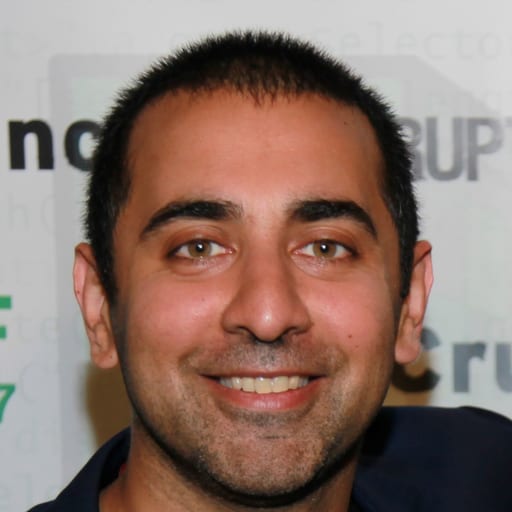 Balaji Srinivasan
A Wall Street Journal reporter followed Balaji to Singapore to write a definitive account of his life and projects. Balaji responded by publicly releasing the reporter's emails to correct the framing of the story.
LessonWhen facing legacy media, founders should maintain their own narrative and correct false framings with direct evidence.
Noah KaganIntercom started blogging just 98 days after their launch in 2011. They maintained this strategy for over six years to build a strong brand and drive product growth.
LessonContent marketing is a long-term game that should start early in a company's lifecycle.
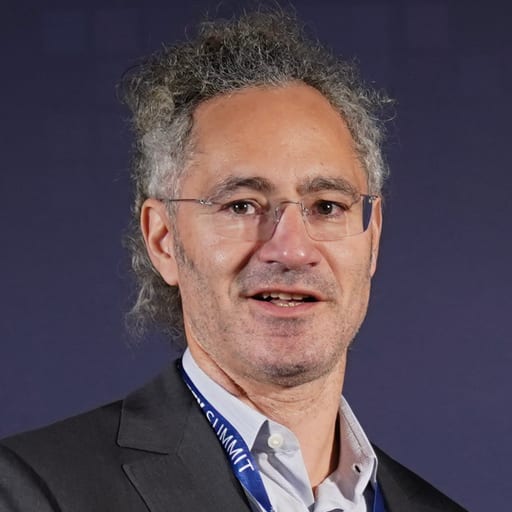 Alex Karp
Palantir published a manifesto framing the proliferation of AI weapons as a necessary deterrent similar to Cold War logic. The document argued that ethical debates would not stop adversaries from advancing, so the U.S. must lead.
LessonTaking a bold, even controversial, ideological stand can define a company's brand as a critical national security partner.