Optimizing Limited Resources Through Ingenuity
ManagementWhen physical space or resources are limited, meticulous organization and creative stowing can maximize utility.
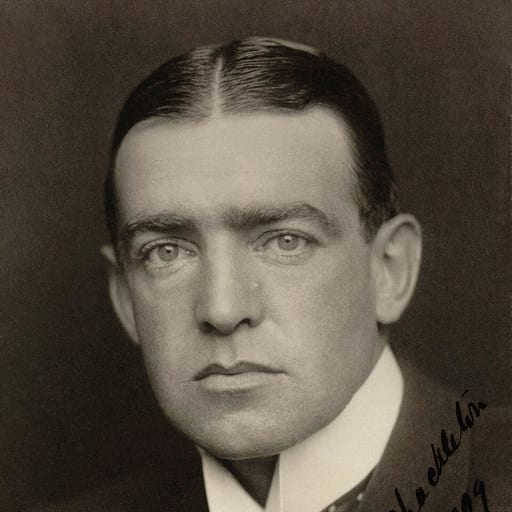
어니스트 섀클턴
Antarctic explorer who brought every man of the Endurance expedition home
799 records in all
3 free questions a day, no sign-up.
Photo: George Charles Beresford / Adam Cuerden Public domain Original cropped
38 basic records of 251
Principles are our summary of their public statements.
When physical space or resources are limited, meticulous organization and creative stowing can maximize utility.
Avoid interfering with another person's specific responsibilities to ensure that accountability remains clear if an accident occurs.
When team members are physically unable to endure the rigors of a task, a leader must make the hard decision to let them go for their own safety.
A leader should notice individual contributions and provide rewards that align with the person's future goals.
Shackleton views harsh conditions like heavy rain as a blessing when they provide relief from heat or help with difficult tasks.
A leader should work alongside the team in difficult or menial tasks to build comradeship and eliminate social barriers.
When facing overwhelming external threats, use available tools and resources strategically to neutralize the danger before it hits.
Successful operations often depend on the generosity and specialized skills of local partners who can provide essential tools and knowledge.
When external forces are too strong to overcome, it is better to resign oneself to the situation and wait for better conditions rather than wasting energy fighting the impossible.
A leader must prioritize the physical health and nutrition of the team, as the success of any long-term expedition depends on the members' well-being.
A leader and their team must bite back natural growls to prevent a cycle of bitterness that can destroy collective welfare.
A leader should draw people away from the comforts of life into a world of daring and awe.
When building a team for high-stress environments, personal character and the ability to maintain camaraderie are as important as technical skills.
A leader must face sudden setbacks and the withdrawal of support with outward calmness to keep the project moving forward.
A leader should reassign team members to roles where their thoroughness and interest can be better utilized, even if the task seems unromantic.
A single unadaptable or selfish person can infect the entire group's morale. Select personnel based on their ability to cooperate and maintain a 'give and take' spirit during long periods of stress.
Always work with urgency even when the weather seems fine, as conditions in volatile environments can shift dangerously without warning.
When visiting or working with a resource-constrained community, bring your own supplies to avoid becoming a burden on their limited stores.
Prioritize essential community supplies through collective bargaining before allowing individuals to trade for personal needs.
Focus on providing sound practical skills and education that suit the specific needs of a community rather than imposing complex ideologies they may not be ready for.
You are seeing 121 basic records. Membership answers from all 799 of this master's records.
See membershipLeaders in history and crisis
These records are our compilation of public statements and sources. We are not affiliated with or endorsed by Ernest Shackleton or any related company. If something should come down, tell us. Takedown request form