Hall of Masters

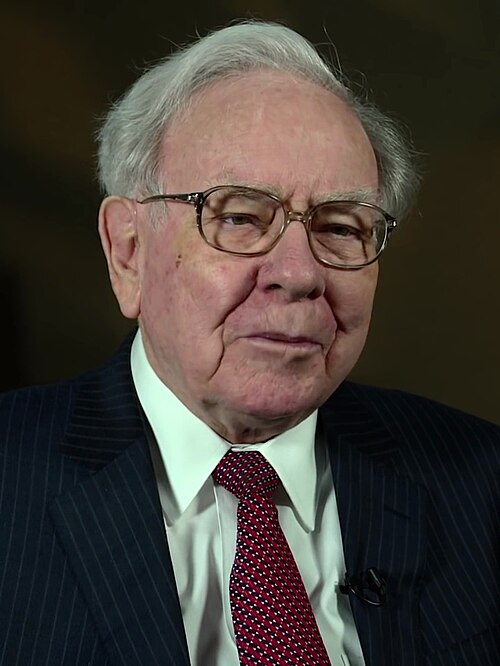
Warren Buffett

워런 버핏

Longtime leader of Berkshire Hathaway who practiced long-term compounding by investing within his circle of competence in businesses with durable economic moats and margins of safety.

1,409 records in all

  • Principles 389
  • Episodes 279
  • Quotes 741
Ask with this master's words

3 free questions a day, no sign-up.

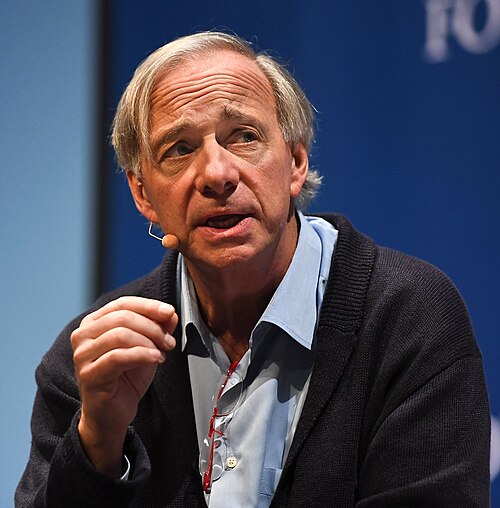
Photo: USA International Trade Administration  Public domain  Original  cropped

Episodes

42 basic records of 279

Episodes are real events from public sources, summarised by us.

  • 1985

    Closing the Textile Business

    Berkshire Hathaway's textile business continued to generate losses despite years of effort, eventually forcing a shutdown. Buffett decided to close the textile factory rather than wasting capital to cover endless losses.

    LessonIt is much wiser to reallocate capital to businesses with good economics than to struggle to fix a structurally unprofitable one.

  • 1973

    Purchase of Washington Post Company

    During a market downturn, the market capitalization of the Washington Post dropped to a quarter of its actual intrinsic value. He invested heavily when the shares of this highly economic business were trading at a massive discount in the market.

    LessonIf you accurately understand the value of a great business, an irrationally low market price presents the best investment opportunity.

  • Acquiring BNSF Railway

    Berkshire purchased BNSF in 2010 at a fraction of its replacement cost, knowing the industry was capital-intensive. Since the purchase, the railroad has required $22 billion in spending beyond its depreciation charges just to maintain operations.

    LessonBuying assets below replacement value provides a margin of safety in industries that consume massive amounts of capital.

  • Enlarging the Bonus Chart

    GEICO's performance in 1996 was so strong it exceeded the maximum levels on the pre-set profit-sharing chart. Instead of capping the bonus or raising the bar for next year, Buffett simply enlarged the chart to pay out a record 16.9%.

    LessonNever punish excellence by raising the bar immediately after a manager hits their targets.

  • 1994Cash

    The Success of Low-Cost Float

    In 1994, Berkshire's insurance float grew to over $3 billion. Because the insurance operations achieved an underwriting profit, the cost of this capital was effectively less than zero, making it far cheaper than government bonds.

    LessonThe most powerful competitive advantage is access to large amounts of capital at a cost lower than the market rate.

  • Investing in Capital Cities

    Berkshire invested $10.9 million in Capital Cities Communications in 1977. Buffett noted that buying the company's assets through the stock market cost about half of what a direct acquisition would have cost, while allowing superior existing management to stay in place.

    LessonBuying minority stakes in the stock market can sometimes be a cheaper way to own high-quality assets than buying the whole business.

  • The Berkshire Hathaway Merger Failure

    Berkshire Fine Spinning and Hathaway Manufacturing merged in 1955 as an economic powerhouse. However, despite large initial earnings, the company suffered a $10 million aggregate loss over the following decade as the textile industry declined.

    LessonA single year's high earnings do not guarantee long-term business viability if the underlying industry dynamics are poor.

  • Stepping in at Salomon Brothers

    Following a scandal involving illegal Treasury bids and the resignation of the CEO, Buffett stepped in as chairman. He led the firm through the crisis to stabilize it after the rogue trading was exposed.

    LessonA leader must sometimes take direct control during a crisis to restore integrity and confidence.

  • Investing During the Financial Crisis

    During the 2008 crisis, Buffett provided billions in capital to Goldman Sachs and General Electric. These deals included special incentives like high dividends and options to buy more shares later.

    LessonCash reserves allow you to negotiate from a position of strength when everyone else is desperate for liquidity.

  • Acquisition of BNSF Railway

    버핏은 금융 위기 직후인 2009년에 벌링턴 노던 산타페(BNSF)를 340억 달러에 인수했어요. 이는 금융업에 치중되어 있던 버크셔 해서웨이의 포트폴리오를 다각화하기 위한 결정이었어요.

    LessonA business should diversify its assets to avoid being overly exposed to the risks of a single sector.

  • The Giving Pledge

    Buffett, Bill Gates, and Mark Zuckerberg signed a promise to donate at least half of their wealth to charity. They invited other wealthy individuals globally to join this movement of giving.

    LessonPublicly committing to a goal and inviting peers to join can amplify the impact of a single leader's vision.

  • 2008Risk

    The Rescue of Constellation Energy

    Constellation Energy faced a liquidity crisis due to collateral posting requirements and was on the verge of bankruptcy. MidAmerican, a Berkshire subsidiary, arrived to rescue the company just hours before it would have failed.

    LessonCollateral requirements can destroy even large companies during market chaos.

  • 1981Risk

    The 1982 Insurance Forecast

    Buffett predicted that 1982 would be the worst year for insurance underwriting due to current aggressive pricing and the fixed-term nature of contracts. He observed that industry-wide premium growth was falling below the 10% level needed to stabilize losses.

    LessonCurrent pricing decisions lock in your future revenue and profitability long before the results show up on the balance sheet.

  • Increasing the Big Four Stakes

    Berkshire increased its ownership in American Express, Coca-Cola, IBM, and Wells Fargo through both direct purchases and company stock repurchases. These four companies alone contributed billions to Berkshire's share of earnings.

    LessonIncremental increases in ownership of high-quality companies lead to massive aggregate earnings growth without extra effort.

  • The Failure of Dexter Shoe

    Berkshire's investment in Dexter Shoe failed when low-cost competition from Asia moved production overseas. The company folded, resulting in a total loss of investment and the loss of 1,600 jobs in a small Maine town.

    LessonEven great investors face total losses when innovation or global shifts render a business model obsolete.

You are seeing 211 basic records. Membership answers from all 1,409 of this master's records.

See membership

More masters in this field

See the whole field

Investing and capital allocation

These records are our compilation of public statements and sources. We are not affiliated with or endorsed by Warren Buffett or any related company. If something should come down, tell us. Takedown request form