
Rob Walling
롭 월링
Founder of Drip, TinySeed and MicroConf; host of Startups for the Rest of Us
4,700 records in all
- Principles 1,000
- Episodes 700
- Quotes 3,000
3 free questions a day, no sign-up.
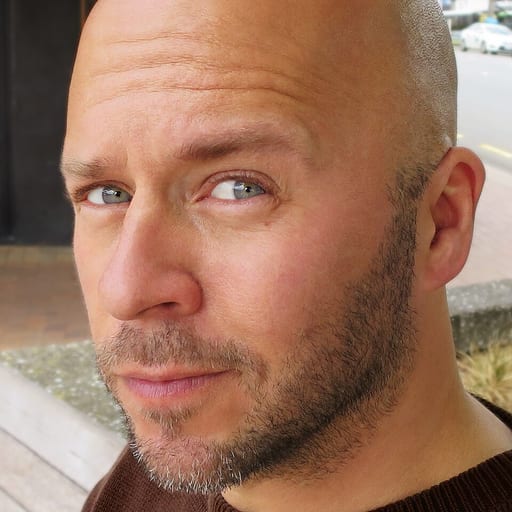
Photo: 49945carlo CC BY-SA 4.0 Original cropped
Quotes
450 basic records of 3,000
Quotes are word for word from the source.
Speed of iteration
Because your point was, "Stop hiring a designer and waiting for weeks to turn (beep) around because you learn something this call, you change the slide for next call."
Our noteRob discusses the importance of iterating quickly on sales materials rather than focusing on high production value.
Long term success
I didn't become a success in two years. It took me, depending on how you define it, five years or 11 years or whatever.
Our noteRob reflects on the long timeline required to achieve significant business success.
Quality beta feedback
The best feedback is going to come from people who are willing to pay for it even if they don't have to pay for it during that private beta
Our noteIdentifying the right users to listen to during the early stages of a product.
Early feedback necessity
I think without getting some feedback early on and just taking an idea and running with it, the odds are that you're going to build something that no one wants.
Our noteWarning against building a product without validating the idea first.
Niche market insight
I bet you're thinking about it in such a unique way, because no mainstream broker who serves a bunch of people has any idea, who serves a bunch of niches or just as a broad horizontal offering
Our noteRob highlights the advantage of having deep, specific knowledge in a niche market.
Surface level copying
They think copying your font or your headline, or your naming, or your features, or whatever is what it is. But it's not, it's the magic that you have.
Our noteRob emphasizes that a business's true value lies deeper than its visual or functional components.
Reality of running business
Starting a software company is a lot of fun; it's new, it's exciting. But running a software company is a lot like a relationship. In the beginning everything's new and fun, but after a while you realize it's actually a lot of work.
Our noteRob compares the initial excitement of starting a company to the long-term work required to maintain it.
Romanticized view of startups
Starting a software company has been romanticized by a lot of the blogs we read. I started reading "Joel On Software" eight or nine years ago and I was under the impression that it was this really fun thing to do.
Our noteRob discusses how popular tech blogs can create a misleadingly positive image of starting a company.
The first milestone
Your first milestone is one of the hardest ones to achieve. It gets easier over time because you know more about what you're doing, you're going to start making fewer mistakes, but setting an achievable and quantifiable first goal is very important
Our noteRob emphasizes that the initial phase is the toughest and requires realistic, measurable goals.
Target audience
This show is for ambitious startup founders who want freedom, purpose, relationships, and want to change the course of their life through starting their own companies.
Our noteRob explains the core mission and audience of his podcast for entrepreneurs.
Inclusivity of Bootstrapping
One of the things I believe so strongly about bootstrapping is that it is this more inclusive or just there's so much about it being is it a true meritocracy, maybe?
Our noteRob discusses how bootstrapping allows anyone to build a business regardless of their background.
Seeking Freedom
I didn't want to have a full-time job because that means I'm somewhere 9-to-6 or 8-to-5 or whatever it is, and it sounds like I think so many of us are doing it for that reason.
Our noteRob talks about the desire for freedom and autonomy over one's schedule.
Grandfathering in services
I don't think you can grandfather the way that you do a SaaS; because the reason you can grandfather with SaaS is because a lot of the effort and the time is spent up front
Our noteRob compares the feasibility of grandfathering prices in SaaS versus service-based businesses.
Power of lead scoring
If you've never used lead scoring, it is mind-blowing to basically be able to have a score that tells you how engaged someone is with your website and with your emails.
Our noteRob describes the impact of implementing automated lead scoring.
SaaS Value Proposition
since they're continuing to pay the same amount month to month and you're improving the product, they're actually getting better value over time.
Our noteRob explains why continuous product improvement is key to retaining SaaS customers.
Setting goals
I like the idea of asking where do you need to get to because this is something investors would ask you if you took them. If you're not taking investment, it is nice to think about where you're going and not just go out and wander.
Our noteRob emphasizes the importance of having a clear destination for your business growth.
SEO expectations
SEO is that where boy, you're going to see nothing for maybe six months. Obviously, there's ways to hack around that and stuff, I'm just setting some expectations. It's like don't expect a bunch of results right away.
Our noteRob warns founders that SEO takes significant time before showing results.
Hiring deal experts
Why would you construct a deal without someone on your side who really knows how to construct deals well?
Our noteRob argues for hiring professional representation when selling a company.
Experience gap in selling
You may do it once or twice in your life, but there are people who've done it 20, 30, 40 times.
Our noteRob explains why founders are at a disadvantage when negotiating the sale of their company.
Cost of poor negotiation
If you sell your company poorly and you don't negotiate for things that maybe you should, you can leave literally millions of dollars on the table.
Our noteRob emphasizes the high stakes involved in selling a business compared to everyday marketing mistakes.
Independent SaaS Ethos
The idea of independent startup, independent SaaS to me is that ethos. It's that I'm an ambitious founder, and I want to build something great, and I want to impact my small corner of the world, but I'm not here to make a dent in the universe.
Our noteRob defines what it means to be an independent founder versus a venture-backed one.
Accurate business metrics
For those two reasons, you can look at customer churn and it's interesting, but it's not nearly as accurate (I'll say) to your business health as revenue churn is.
Our noteRob emphasizes that revenue churn is a superior metric for assessing a company's actual health.
Deciding on partners
I think you just need to make the choice sooner rather than later whether they're going to healthcare. If you're gonna go onto it and he wants to stay around, you wanna keep him around, that's great, and if you're not, then I think the decision is made there.
Our noteRob advises making quick decisions about whether an existing co-founder should stay.
Early revenue goals
Right now, you're just trying to get revenue and see how people use the app and if they're gonna get value out of the app
Our noteRob explains the primary goal for an early-stage SaaS startup across multiple industries.
Testing discount offers
If the volume is high enough that you're asking this question, I would probably just do an experiment where the next time I got an email about it, I would say, "Yes, we have a 25% discount, but you have to prove you're a student
Our noteRob suggests a low-risk way to test if an academic discount increases conversions.
Sharing business data
I'd hope it would have value for people and based on the feedback that I got they, you know, people told me that it was going to help them in their journey.
Our noteRob discusses the positive impact of sharing his revenue numbers with other entrepreneurs.
The ghost town effect
when you have 10 you may as well have zero because those 10 are going to leave because no one else is there.
Our noteDescribing the risk of failing to reach a minimum number of active users quickly.
Founder personality fit
I enjoy the change up of working on something pretty new about every 18 months and so for me, working on the same app for 10 years sounds like a grind.
Our noteDiscussing personal preferences regarding long-term commitment versus starting new projects.
Learning curve risk
you're going to build a new product and then you're also biting off the learning curve of multiple technologies at once. They're probably the right technologies for the job.
Our noteRob discusses the danger of learning new tech while building a product.
Focus on revenue
I would actually say not when you're going to launch it but when are you going to get that first paying customer? When are you going to get that 10 th paying customer?
Our noteRob explains why getting paying customers is more important than a public launch.
You are seeing 705 basic records. Membership answers from all 4,700 of this master's records.
See membershipMore masters in this field
See the whole fieldSolo business and indie makers


These records are our compilation of public statements and sources. We are not affiliated with or endorsed by Rob Walling or any related company. If something should come down, tell us. Takedown request form